TPO in the West Valley
TPO roofing in Buckeye, AZ is mostly found on commercial and industrial buildings: the warehouses and logistics buildings along I-10, retail and offices, schools and multi-family roofs. It is a white single-ply membrane, manufactured in wide rolls, and joined on the roof with heat-welded seams that become one continuous sheet.
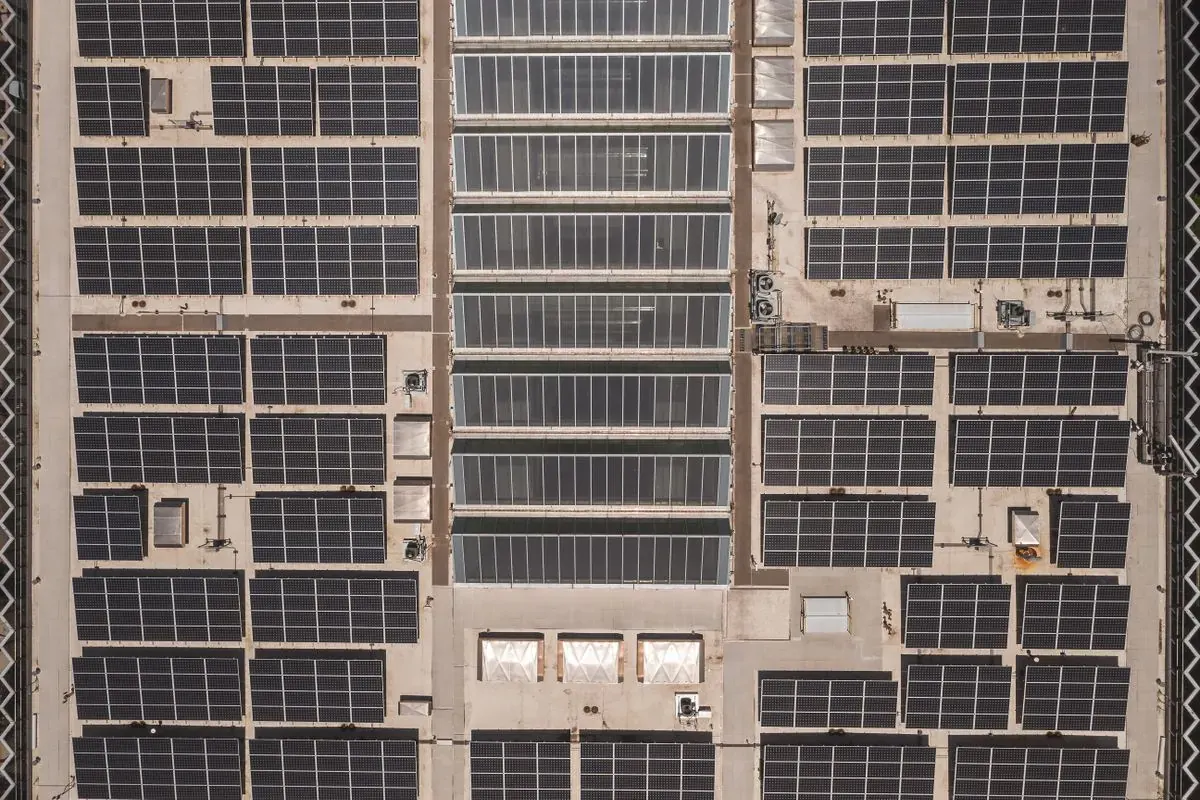
Its appeal in the desert is obvious from the air: a bright white roof reflects much of the sun that would otherwise heat the building, on a roof surface that in a dark finish can pass 160 degrees in summer. Its strength as a waterproofing layer is the welded seam, which is stronger than an adhesive lap when it is done properly.
TPO cost
| System | Per sq ft installed | Source |
|---|---|---|
| TPO membrane | $5.00 to $10.00 | Arizona cost guide, May 2026 |
| Single-ply TPO / PVC | $6.00 to $10.00 | Phoenix-area cost guide |
| Spray foam | $3.50 to $7.00 | Arizona cost guide, May 2026 |
| Modified bitumen | $4.00 to $8.00 | Arizona cost guide, May 2026 |
Residential-scale published figures, useful as a reference. Commercial TPO is priced on the survey: insulation thickness, attachment, detailing, access and the number of penetrations all move the price.
TPO versus spray foam
Choose TPO when
- The roof is large, simple and relatively uncluttered, like most new warehouses
- A factory-made membrane with welded seams is preferred
- The insulation is being designed as a separate layer
- The owner wants a reflective membrane without a recoat cycle
Choose foam when
- The roof is crowded with equipment and penetrations that a seamless system handles easily
- Added insulation and built-in slope correction are valuable
- First cost matters most and a recoat every 5 to 7 years is planned
See foam roofing.
TPO repairs
Most TPO repairs are at seams, flashings and punctures. Seams are probed and rewelded where they have opened; flashings at curbs, walls and penetrations are renewed with TPO detail pieces; punctures from foot traffic or dropped tools get welded patches. Weathered TPO sometimes needs cleaning and preparation before new material will weld to it.
See commercial roof repair, industrial and warehouse roofing, the service area, or request a TPO quote.
Mechanically fastened, adhered and recover
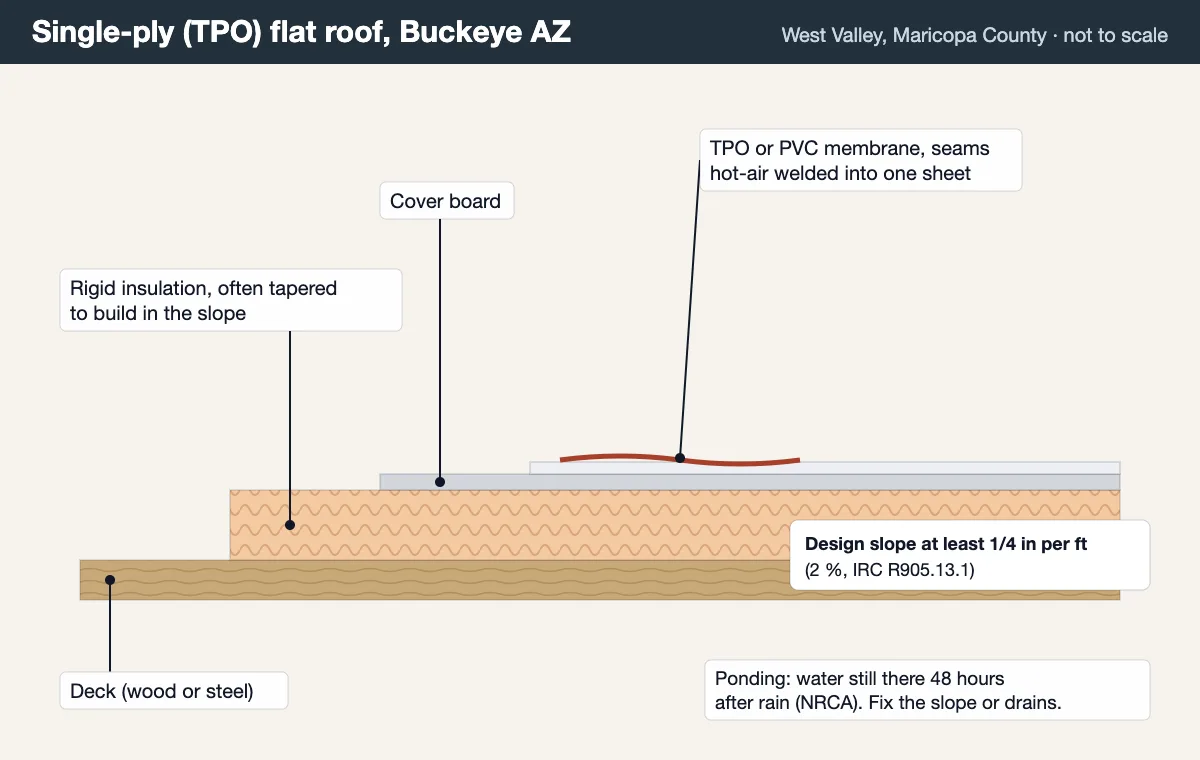
A TPO roof is attached to the building in one of a few ways, and the choice affects wind resistance, cost and how the roof behaves in the heat.
| Method | How it works | Typical considerations |
|---|---|---|
| Mechanically fastened | Membrane fastened through the insulation to the deck at the seams | Common, economical; fastening pattern designed for wind uplift at edges and corners |
| Fully adhered | Membrane glued to the insulation or cover board | Smooth finish, good wind performance; adhesive conditions matter |
| Recover | New insulation or cover board and TPO over a sound, dry existing roof | Saves tear-off where codes and the existing assembly allow |
Monsoon wind is the design load that matters most for attachment in Buckeye. National Weather Service severe thunderstorm warnings mean winds of 60 mph or greater, and the edges and corners of a large flat roof take the highest uplift. The fastening pattern or adhesion there is where a TPO roof is won or lost.
The details that decide a TPO roof
Seams
TPO seams are hot-air welded. A good weld is continuous and stronger than the sheet around it; a cold or contaminated weld can look fine and open later. Probing every seam after welding is standard practice, and a reason to ask how seams are checked.
Curbs and penetrations
Rooftop units, vents, pipes and conduits are flashed with TPO curb wraps, boots and detail pieces welded to the field membrane. These details carry most of a TPO roof's leak risk.
Perimeters and edge metal
The membrane turns up parapets and terminates at edge metal or coping. Under monsoon wind, a loose perimeter is where peeling starts.
Drains
Drains and scuppers are clamped or flashed into the membrane. Dust storms fill them; ponding then stresses the surrounding seams. Clearing them before June 15 is basic TPO care.
TPO on multi-family and HOA buildings
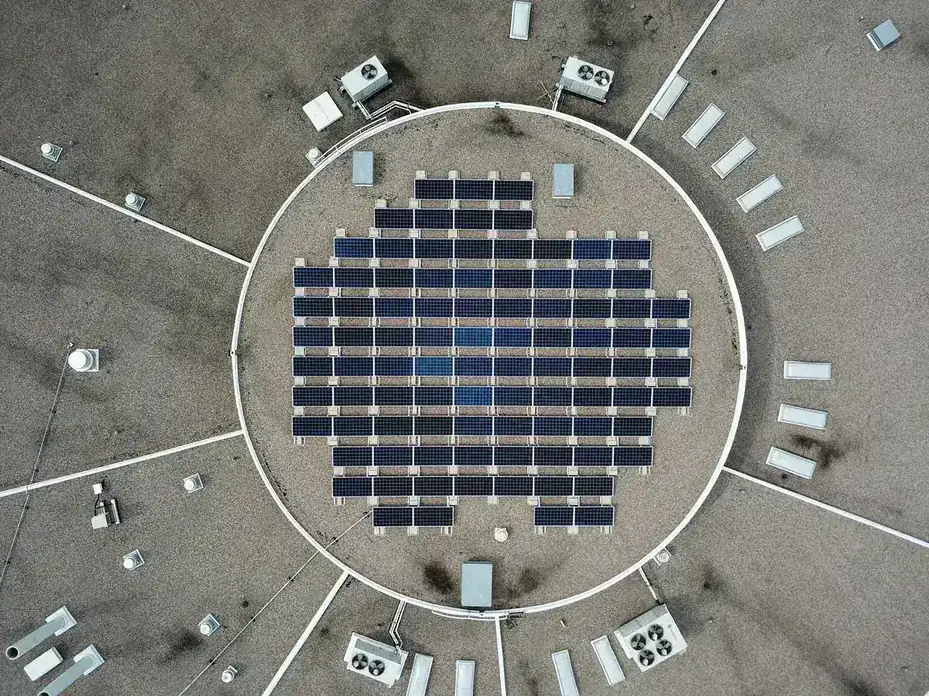
TPO also shows up on apartment and townhome blocks, clubhouses and amenity buildings in Buckeye's master-planned communities, often on flat sections hidden behind parapets. These roofs are commercial work for licensing purposes even when the building looks residential, and their re-roofs fall outside the City's residential-only re-roof permit exemption.
- Keep association maintenance records with the roof warranty
- Inspect after storms, because parapet-hidden roofs are easy to forget
- Check scuppers through parapets, which block easily
- Coordinate re-roofs with residents for access and noise
Tear-off or recover?
When an existing low-slope roof is replaced with TPO, the question is whether to tear it off to the deck or to recover over it. A recover keeps the old roof as a base under new insulation or cover board and new TPO. It saves tear-off, disposal and exposure of the building, but only works where the existing roof is dry and sound, the structure can carry the added layers, and codes allow it.
Moisture testing is what decides it. Wet insulation left under a recover keeps degrading and can cause the new roof to fail early. Commercial re-roofs, including recovers, need a permit in Buckeye, since the City's re-roof exemption covers residential roofs only.
Inspecting a TPO roof
- Probe seams in high-risk areas: around units, drains and corners
- Check curb wraps and penetration boots for splits and lifted edges
- Look for punctures and scuffs along equipment service routes
- Check perimeter attachment and edge metal after wind events
- Clear drains and scuppers and note any ponding
- Clean dirty areas that have lost their reflectivity
Check the roofer's commercial license
TPO work on a commercial building in Arizona needs a C-42 Roofing license, or the dual CR-42, from the Registrar of Contractors. Check the ROC number on the proposal at the ROC contractor search before you sign.
How a TPO roof is installed
- Survey and design. The roof's deck, drainage, insulation and equipment layout are surveyed, and the insulation and attachment method designed.
- Permit. Commercial re-roofs need a City of Buckeye permit; the scope is confirmed before scheduling.
- Tear-off or recover preparation. Wet or failed layers are removed; for a recover, a cover board goes over the sound existing roof.
- Insulation and membrane. Insulation is installed and the TPO membrane fastened or adhered, with seams heat-welded and probed.
- Details and close-out. Curbs, penetrations, drains and perimeter are flashed with TPO details, and the roof is inspected and documented.