All Roofing Services We Offer in Buckeye
The full list, in one place, of every roofing service for Buckeye homes and businesses in one place: new roofs and tile underlayment replacement, repairs and storm damage, foam and coatings, solar detach and reset, and a full commercial section. Each one quoted in writing by a licensed Arizona roofer.
- 20 roofing services
- Residential and commercial
- ROC license on every bid
- Written, itemized quotes
The full service list, grouped by what your roof needs
This page lists all 20 services we arrange, in three groups: new roof systems, keeping an existing roof dry, and commercial roofing. For the short version of what a Buckeye roof needs, start with our roofing in Buckeye, AZ overview. Most homeowners only ever need two or three of these services, but which ones depends on the roof they have and how old it is, and in Buckeye those two facts are closely linked.
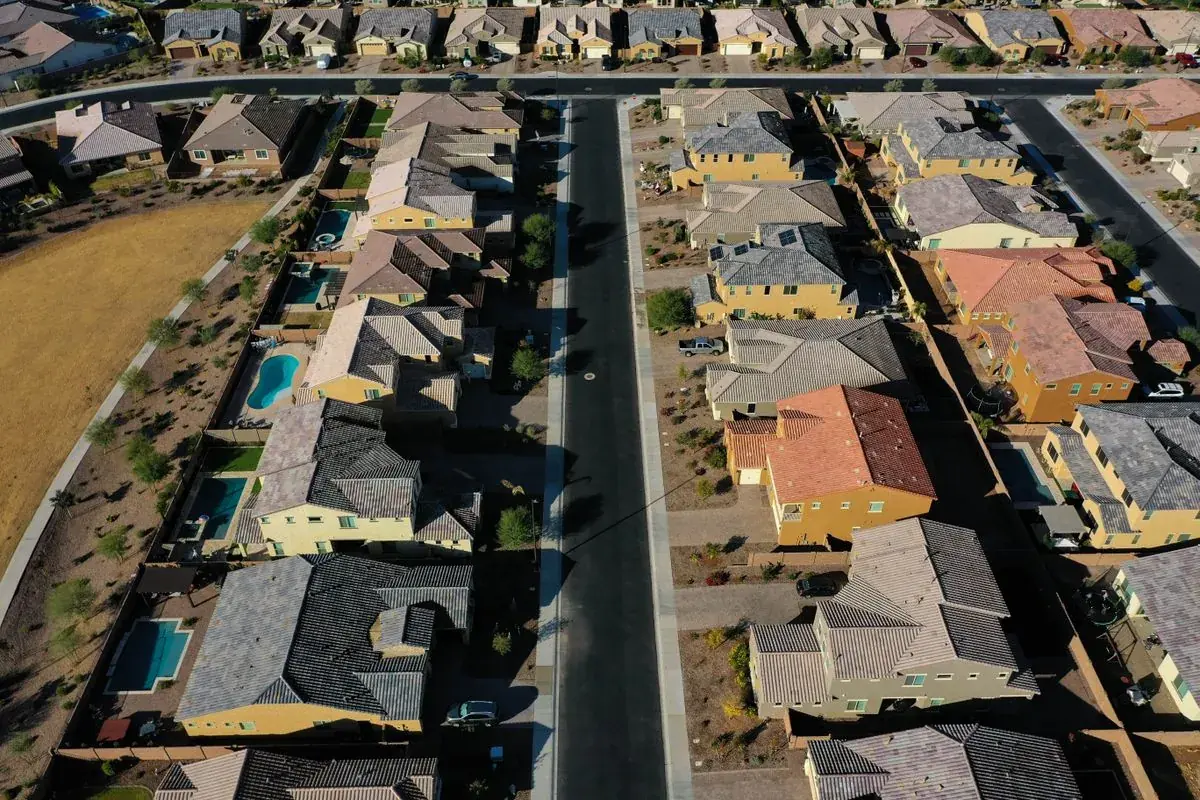
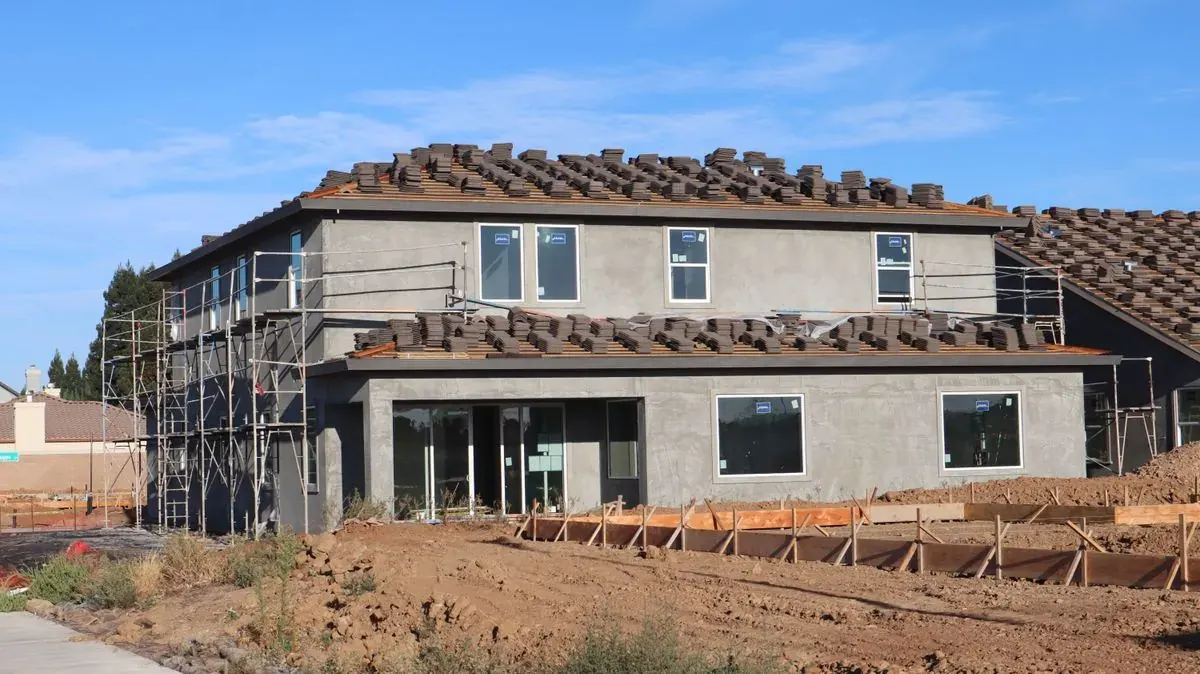
Buckeye grew from 6,537 residents in 2000 to 50,876 in 2010 and 114,334 in the Census Bureau's July 2024 estimate. Its large master-planned communities started building early in that run, Sundance from 2002, Verrado from 2004, Tartesso in the 2005 boom and Sun City Festival from 2006, and most of those homes have concrete tile roofs over felt. That is why tile repairs and tile underlayment replacement are at the top of this list, and why so many Buckeye roof questions are really questions about the layer under the tile.
Every service below has its own page with sourced costs, the local codes that apply, and the process a licensed roofer follows. If you are not sure which you need, the decision table further down maps common symptoms to services, and a roof inspection answers the question directly.
New roofs and roof systems
Replacing a roof, or the layer under it, with a system chosen for desert heat and monsoon wind.
Repair, inspection and upkeep
Keeping an existing Buckeye roof dry, from a single slipped tile to a full storm claim.
Commercial and industrial roofing
Low-slope, single-ply, foam, coating and metal work on commercial buildings.
Which roofing service do you need?
The right roofing service usually follows from the symptom and the roof type. This table covers the situations Buckeye homeowners and building managers describe most often.
| What you are seeing | Usually the right service |
|---|---|
| Leak on tile, no broken tile visible | Tile roof underlayment replacement (or leak repair to get through a season) |
| One slipped or cracked tile, roof under 15 years | Tile roof repair |
| Ceiling stain after a storm | Roof leak repair |
| Tiles or shingles moved after monsoon wind | Storm damage repair |
| Foam coating worn or chalky | Roof coating (recoat) |
| Flat roof ponding or blistered | Flat roof repair |
| Shingles cracking across whole slopes | Roof replacement |
| Buying, selling or claiming | Roof inspection |
| Solar on a roof that needs work | Solar panel removal and reinstall |
| Commercial leak at a rooftop unit | Commercial roof repair |
| Weathered but dry commercial roof | Commercial roof coating |
Roofing costs in Buckeye at a glance
Roofing costs in Buckeye range from a repair priced by the job to a full new roof. These are the published 2026 Arizona figures for full systems on a 2,000 square foot roof, with the Phoenix-area underlayment table for comparison.
| Service or system | Typical published cost |
|---|---|
| Underlayment replacement, tile reused (Phoenix-area table) | $7,000 to $10,000 |
| Spray foam roof | $7,000 to $14,000 |
| Modified bitumen (flat) | $8,000 to $16,000 |
| Architectural shingle | $9,000 to $14,000 |
| Tile-over, tile reused (Arizona 2026 guide) | $9,000 to $17,000 |
| TPO membrane | $10,000 to $20,000 |
| New concrete tile roof | $14,000 to $28,000 |
| Metal roof | $16,000 to $36,000 |
| New clay tile roof | $20,000 to $36,000 |
Sources: Arizona roof replacement cost guide, May 2026; a Phoenix roofing contractor's tile underlayment guide. Repairs, recoats and inspections are priced by the job. Your written quote is the number that counts.
For the full breakdown, see the roof replacement cost guide and the underlayment replacement cost guide.
Residential roofing services
New roofs and roof systems
When a roof needs more than repair, the options are a full roof replacement or, on a tile roof with sound tile, a tile roof underlayment replacement that keeps the tile. Material choices are tile, shingle, metal and, for flat sections, spray foam.
Repair, inspection and upkeep
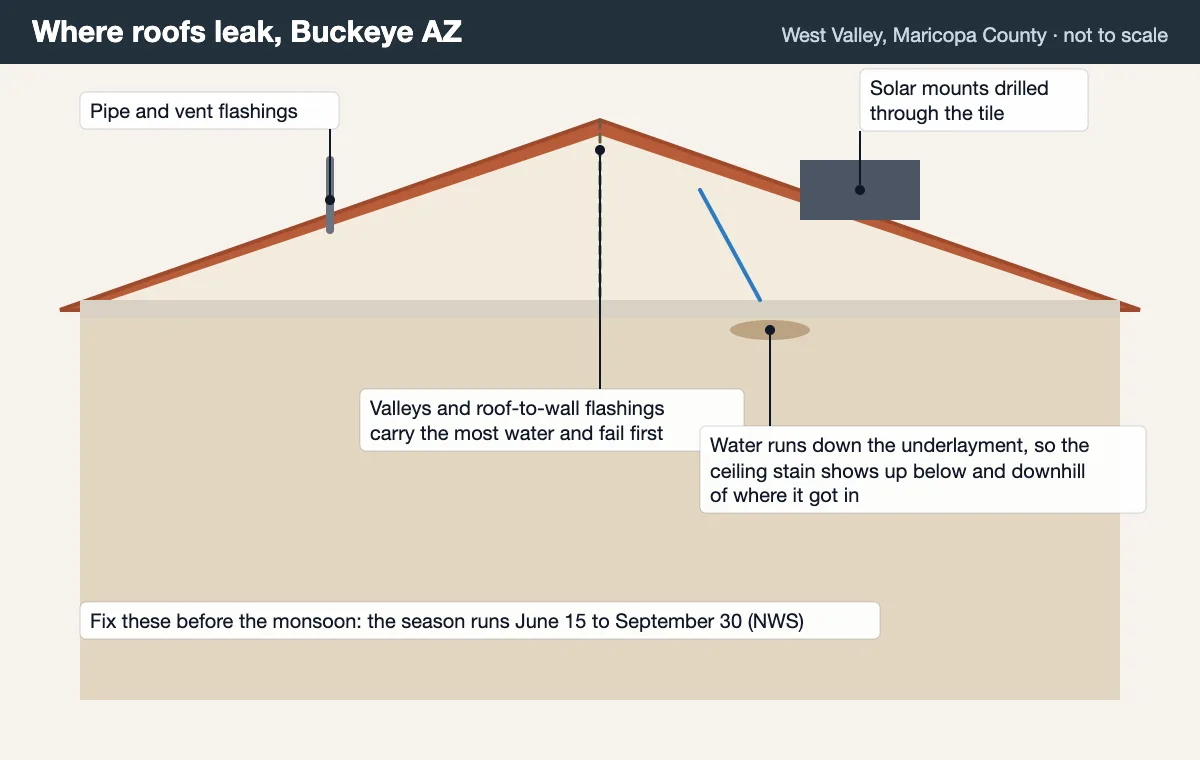
Most of the work on an existing Buckeye roof is roof repair, leak repair, tile repair and, every summer, monsoon storm damage repair. Flat sections need flat roof repair and recoating. An annual maintenance visit before June 15 prevents much of it.
Solar
With rooftop solar common across the Valley, solar panel removal and reinstall is part of many re-felt and re-roof jobs, and the chance to reflash every mount into new underlayment.
Commercial roofing services
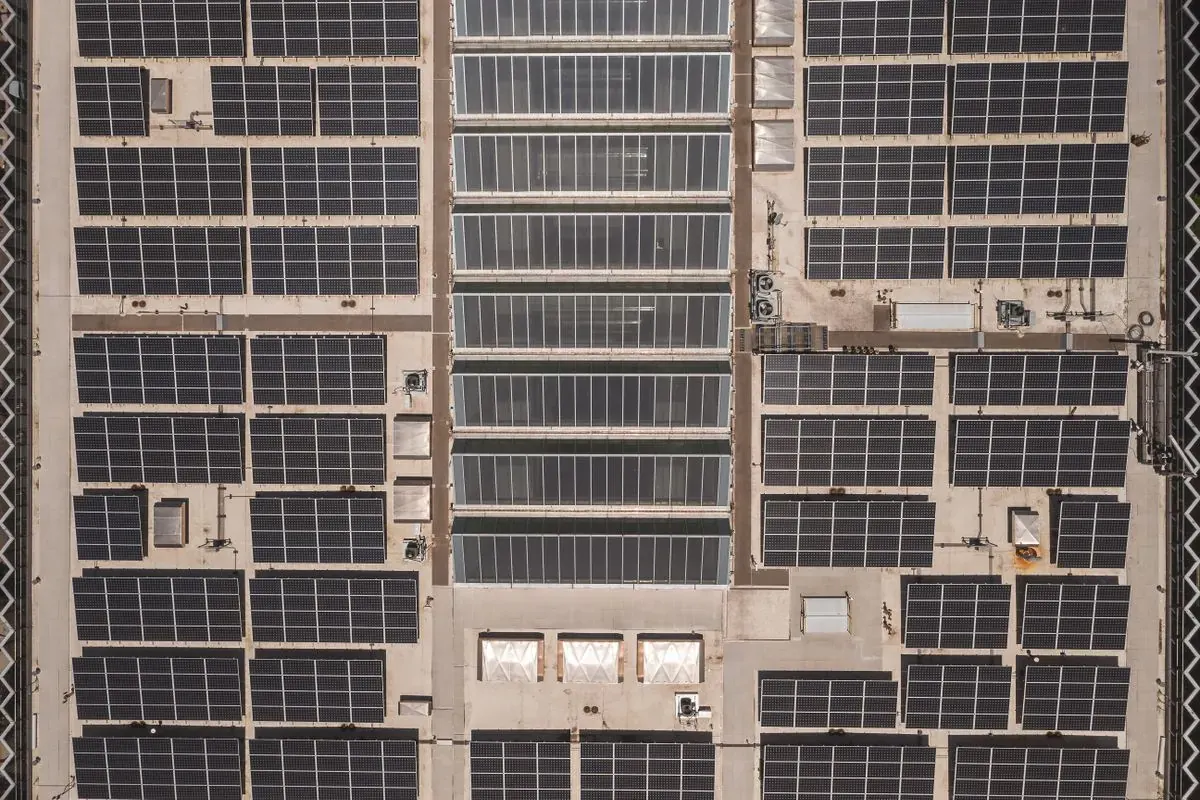
Commercial roofing in Buckeye is concentrated along I-10, where the 145-acre Buckeye I-10 Logistics park is planned for more than 2.2 million square feet of industrial space, and Amazon has signed a 1.2 million square foot industrial lease. Commercial services cover commercial roofing, commercial roof repair, restoration coatings, TPO and industrial and warehouse roofing, all by roofers with the C-42 or CR-42 classification.
How long each roof lasts in Arizona
Roofs in Arizona age faster than brochure figures from milder climates suggest. An Arizona roofing guide puts it plainly: materials that last 30-plus years elsewhere often last only 20 to 25 years here.
| Roof or layer | Arizona service life | Source |
|---|---|---|
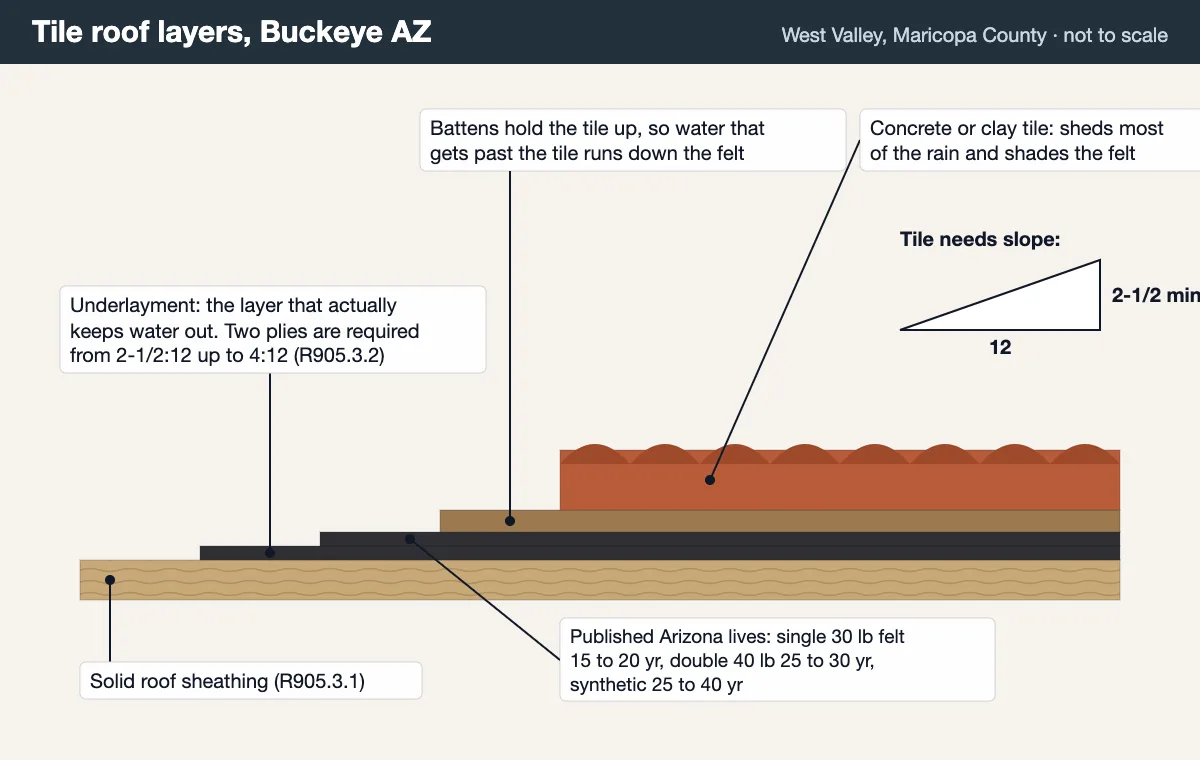
| Single 30# felt under tile | 15 to 20 years | Phoenix roofer's underlayment table |
| Double 40# felt under tile | 25 to 30 years | Phoenix roofer's underlayment table |
| Synthetic underlayment | 25 to 40 years | Phoenix roofer's underlayment table |
| Peel-and-stick underlayment | 30 to 40 years | Phoenix roofer's underlayment table |
| Spray foam, recoated every 5 to 7 years | 30 to 50+ years | Phoenix roofer's foam guide |
| Foam coating (recoat interval) | About 5 to 7 years | Phoenix roofer's foam guide |
More in how long does a roof last in Arizona.
What every service includes
- A licensed Arizona roofer, with the ROC number printed on the written quote
- An inspection on the roof, with tiles lifted on tile roofs to check the felt
- Photographs of what was found and what was done
- A written, itemized quote that separates materials, labor, disposal and any permit
- Honest options, including repair, when repair is the right answer
- Permit and HOA steps identified where the job needs them
Coverage details are on the service area page, and answers to common questions are in the roofing FAQ. When you are ready, request a free roof quote.
Roofing services by Buckeye community
Which roofing services a home needs depends a great deal on where in Buckeye it is, because each community was built in a different decade with different roofs. This is where each one usually stands.
| Community | Built | Services most often needed |
|---|---|---|
| Sundance | 2002 to 2018 | Underlayment replacement on early phases; tile repair; inspections |
| Verrado | From 2004 | Underlayment replacement on early phases; tile repair; storm repair |
| Tartesso | 2005 boom, then from 2016 | Re-felts on boom-era homes; maintenance on newer homes |
| Sun City Festival | From 2006 | Inspections, re-felts on the earliest homes, patio cover and flat roof repair |
| Festival Ranch | Ongoing | Storm repair, inspections, solar removal and reinstall |
| Downtown Buckeye | From 1888 | Shingle and flat roof replacement, multi-layer tear-off, commercial repair |
| Tonopah | Mixed | Metal roofing, manufactured home roofs, outbuildings |
| Palo Verde and Arlington | Mixed, some very old | Metal barn roofs, farmhouse re-roofs, coatings |
Each community has its own page, listed on the service area page.
Repair, re-felt, recoat or replace
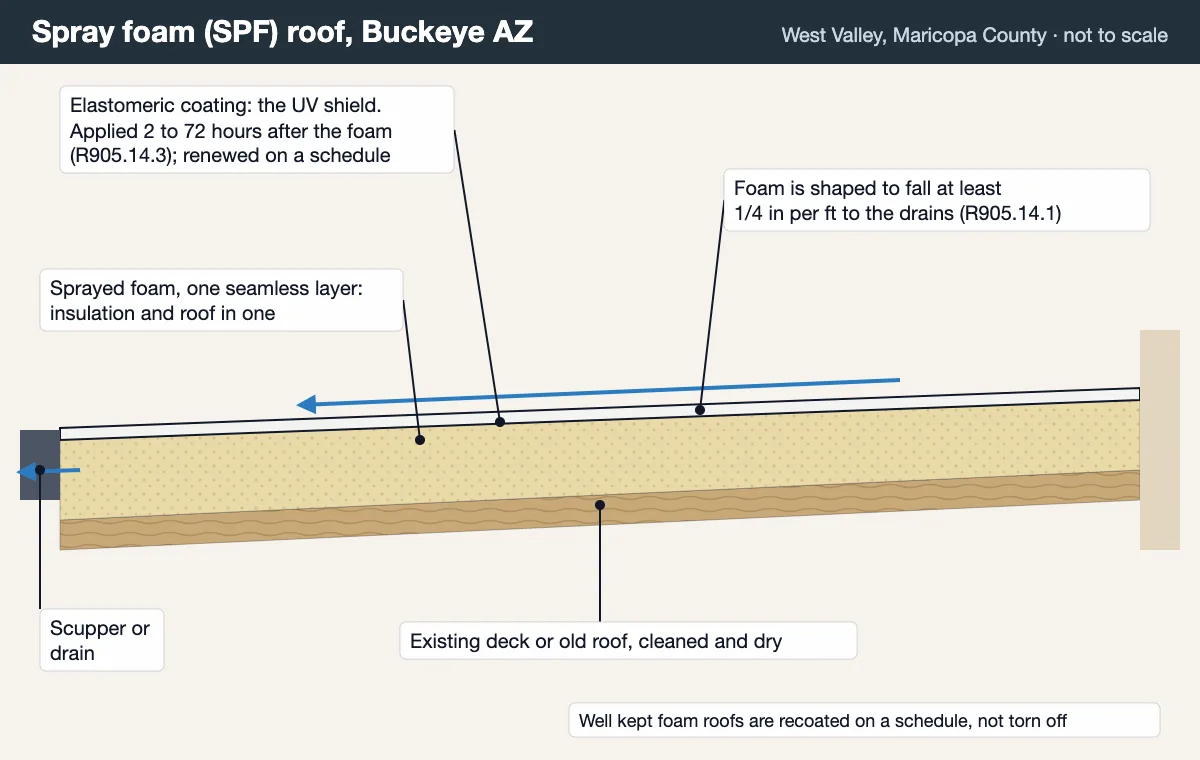
Most roofing decisions in Buckeye come down to four levels of work. Knowing the difference makes quotes much easier to compare.
| Level | What it involves | When it fits |
|---|---|---|
| Repair | Fix a specific failure: slipped or broken tile, a flashing, a seam, a puncture | Damage is local and the rest of the roof is sound |
| Re-felt | Lift the tile, replace underlayment, battens and flashings, relay the tile | Tile is sound but the felt has reached its Arizona life |
| Recoat | Clean, repair and apply a new coating to foam or a flat roof | The foam or membrane underneath is dry and sound |
| Replace | Tear off to the deck and install a new roof system | The roof has failed widely, or the material is changing |
Permits by service
Buckeye's adopted code amendments exempt like-for-like residential re-roofs, but the City's Permit Center lists re-roofs among projects that require permits and asks owners to contact it if in doubt. This is the general picture; confirm your job with the Permit Center, or with Maricopa County for unincorporated parcels.
| Service | Permit question |
|---|---|
| Small repairs | Usually a repair rather than a re-roof; confirm if the scope grows |
| Tile re-felt, same tile | Like-for-like under the amendment; confirm with the Permit Center |
| Replacement with a different material | Outside the like-for-like exemption; expect a permit |
| Commercial re-roof | The R3 exemption does not apply; treat as permit work |
| Solar removal and reinstall | Solar has its own permit rules; confirm with the City or County |
Full detail in roofing permits in Buckeye.
Roofing services through the year
| Season | Services |
|---|---|
| October to May | Re-felts, replacements, recoats and commercial restorations, finished before the monsoon |
| March to mid-June | Pre-monsoon inspections and maintenance: slipped tile, flashing, drains |
| June 15 to September 30 | Storm damage repair, leak repair, emergency tarping |
| October to November | Post-monsoon inspections and planning the next big job |
Monsoon dates as defined by the National Weather Service.
How a roofing job runs
- Request. Four fields on the form: name, contact, location and the service you think you need.
- Inspection. A licensed Arizona roofer inspects the roof, lifting tiles or checking coatings, and photographs what they find.
- Written quote. Itemized, with the ROC number, named products, deck repair pricing and permit and HOA steps.
- Approvals. HOA approval where needed, and the permit question confirmed with the City or County.
- The work. Scheduled ahead of the monsoon where possible, with the property protected and cleaned up after.
- Close-out. Completion photos, the final invoice and written warranties to keep with your house documents.
For property managers and HOA boards
Commercial and association roofs need a little more paperwork. Ask for a C-42 or CR-42 license number, a certificate of insurance, a written scope tied to a survey of the roof's condition, a schedule that keeps tenants or residents informed, and a maintenance plan after the work. Keep every inspection report and invoice on file, because warranties, insurers and future boards will all ask for them.
See commercial roof coating vs replacement and how to check an Arizona roofer's license.
Signs your roof needs a roofer now
Some roof problems can wait for the cooler months. These cannot, because every storm makes them worse.
| Sign | Why it matters | Service |
|---|---|---|
| Water stains on a ceiling or in the attic | Water is already past the roof | Leak repair |
| Missing, slipped or cracked tiles | The felt underneath is exposed | Tile repair |
| Brittle felt when a tile is lifted | The waterproofing has reached its life | Underlayment replacement |
| Tan or brown foam showing on a flat roof | The coating has worn through | Roof coating |
| Water standing on a flat roof after rain | Drains blocked or low spots | Flat roof repair |
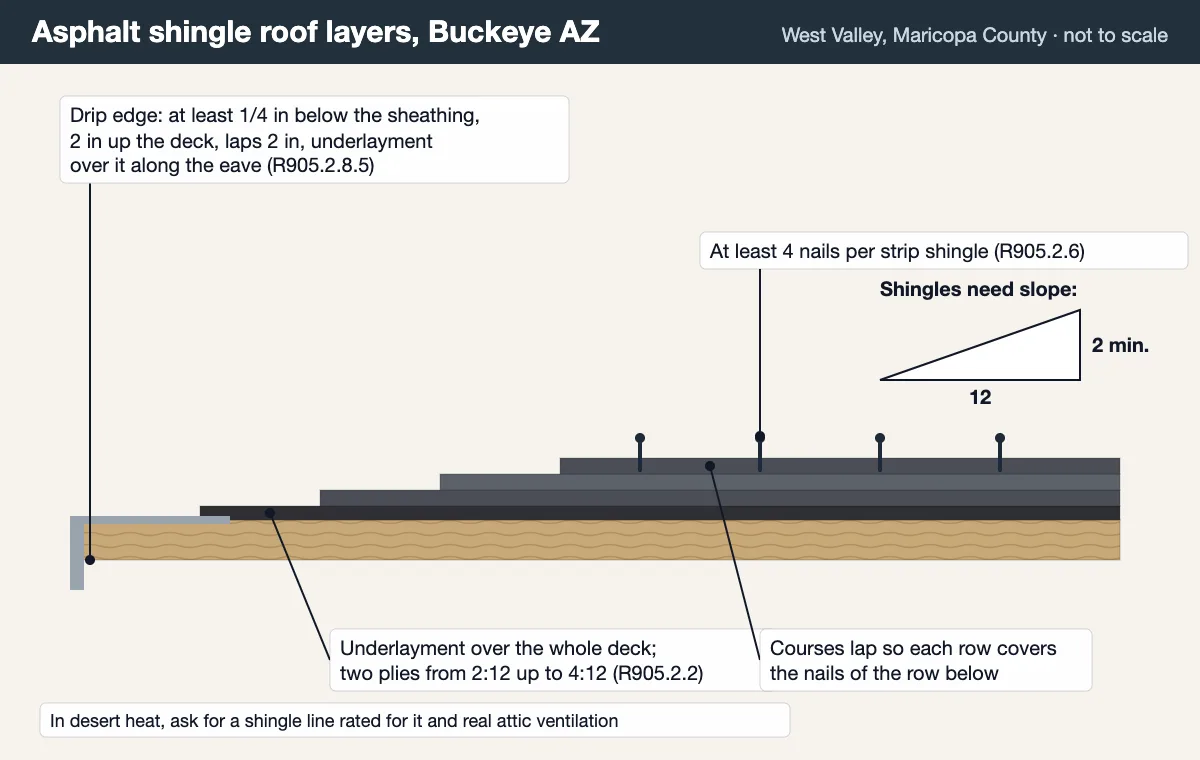
| Curling, cracked or bare shingles | The shingle is at end of life | Shingle roofing |
| Rust or loose screws on metal panels | Fasteners and washers failing | Metal roofing |
The roofs you will find in Buckeye
Concrete and clay tile
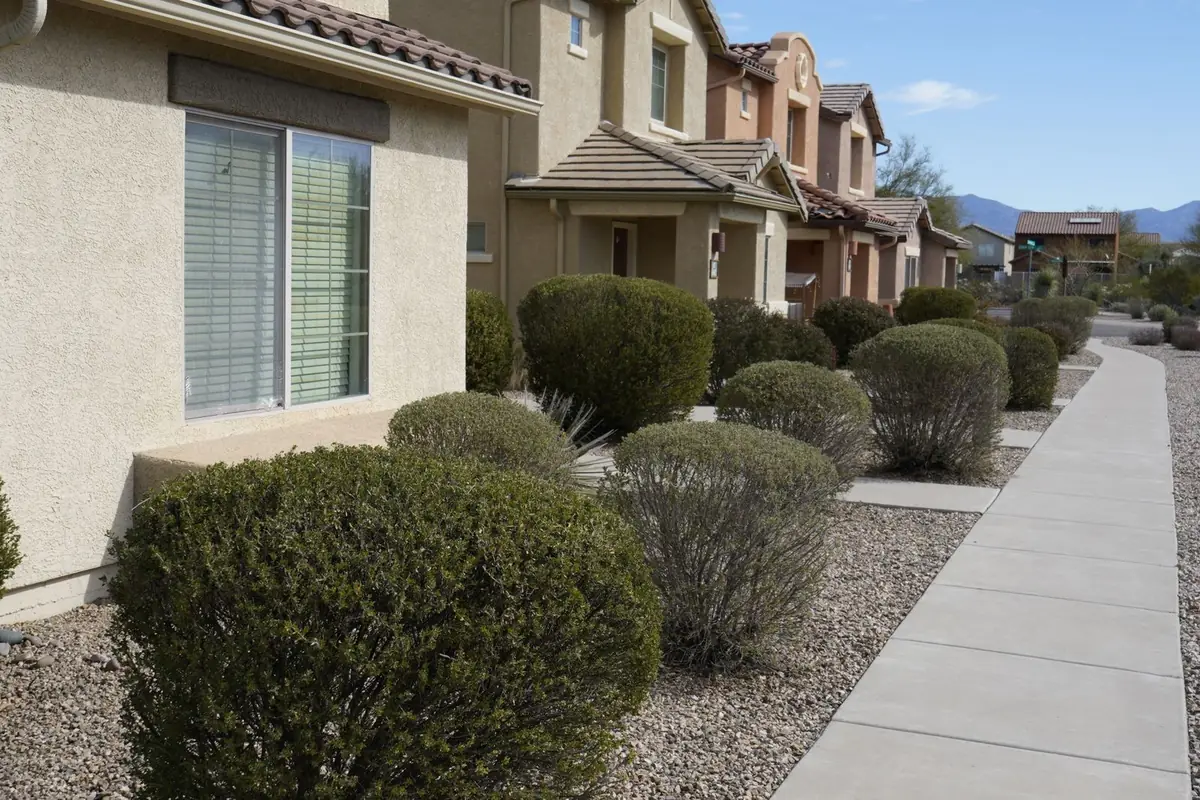
The standard on pitched roofs in the master-planned communities. The tile is long-lived and is usually reused when the underlayment beneath it is replaced. See tile roofing.
Asphalt shingle
The lowest-cost pitched roof, common on older downtown homes and outbuildings, and the shortest-lived in Arizona sun. See shingle roofing.
Spray foam and flat roofs
Patio covers, additions and commercial buildings. Foam needs recoating about every 5 to 7 years in the Phoenix area. See foam roofing and TPO roofing.
Metal
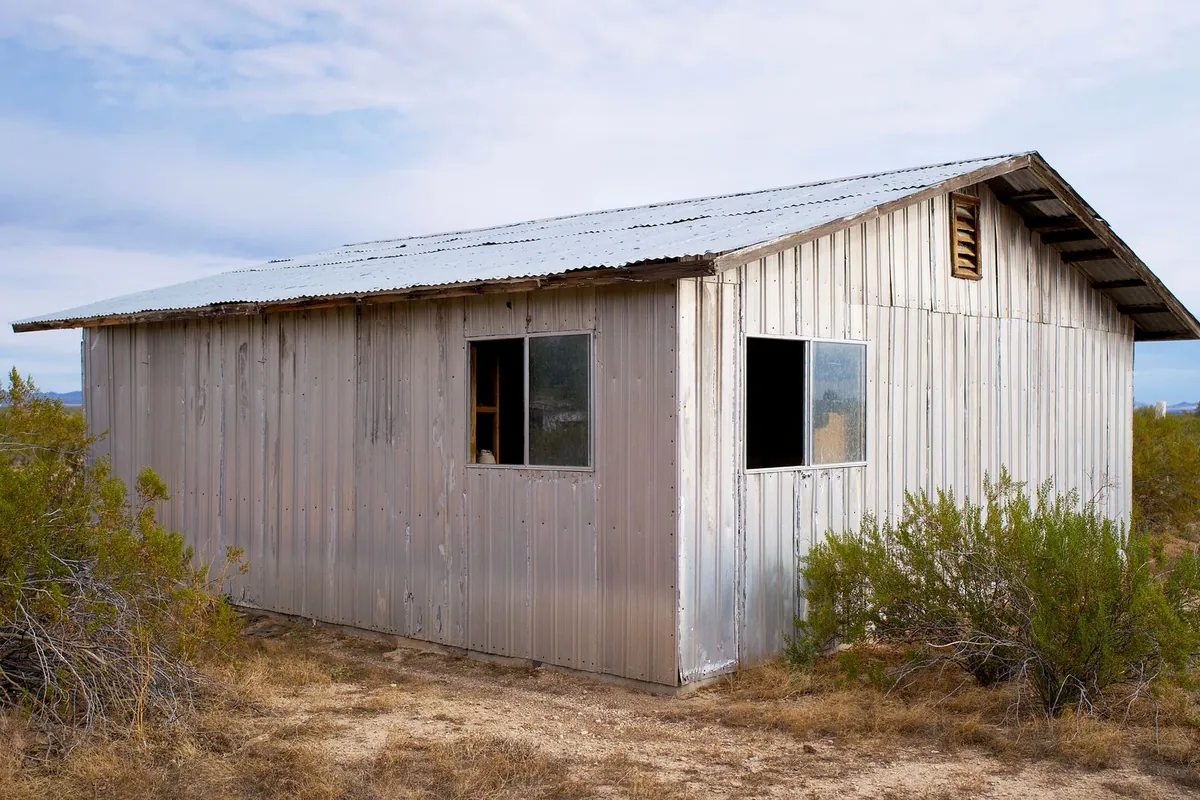
Shops, barns and modern homes, especially on acreage in Tonopah, Palo Verde and Arlington, and warehouses along I-10. See metal roofing.
Reading a roofing quote, line by line
| Line | What to look for |
|---|---|
| ROC number | Required on written bids by A.R.S. 32-1124; check it on the ROC website |
| Roof area and layers | The measurement and how many layers come off |
| Deck repair | A unit price for rotten sheathing, not a guess |
| Underlayment | A named product, with its Arizona lifespan |
| Flashings | Replaced or reused, by location |
| Permit and HOA | Who confirms, who applies, whether fees are included |
| Warranty | Workmanship and manufacturer terms in writing |
Not sure which service you need?
Describe it in four fields. A licensed Arizona roofer inspects the roof and tells you what it actually needs.
- An inspection on the roof, not a sales pitch from the driveway
- A written, itemized quote with the ROC license number printed on it
- Underlayment, flashing and deck condition called out, not just the surface
- Permit and HOA steps named in the quote when the job needs them
Choosing a roofing service: frequently asked questions
Which roofing service do I need?
Start from the symptom and the roof type. A leak on a tile roof with no broken tile usually means the felt underneath has failed, which points to an underlayment replacement rather than a new roof. A single slipped tile or failed flashing on a younger roof is a repair. A worn coating on a foam roof is a recoat. Shingle that is cracking and shedding granules across whole slopes is a replacement. If you are not sure, a roof inspection answers it.
What roofing services are most common in Buckeye?
Tile repairs and tile underlayment replacements, because concrete tile covers most of the homes Buckeye built after 2000, and the single-layer felt used on many of them has a published Arizona life of 15 to 20 years. Monsoon storm repairs every summer, foam recoats on flat roofs and patio covers, and commercial repairs along the I-10 corridor make up much of the rest.
Do all your roofers hold Arizona licenses?
Yes. Every quote arranged through this site comes from a roofer licensed by the Arizona Registrar of Contractors: R-42 for residential roofing, C-42 for commercial, or CR-42 for both. A.R.S. 32-1124 requires the license number, preceded by "ROC", on every written bid and estimate.
How much do roofing services cost in Buckeye?
From a modest repair priced by the job up to a full new roof. Published 2026 Arizona figures for a 2,000 square foot roof run from $7,000 to $14,000 for spray foam and $9,000 to $14,000 for architectural shingle, through $9,000 to $17,000 for a tile-over that reuses the tile, to $14,000 to $28,000 for a new concrete tile roof and $16,000 to $36,000 for metal. A Phoenix-area table puts an underlayment replacement at $7,000 to $10,000 for 2,000 square feet.
Which services need a permit in Buckeye?
Repairs and maintenance generally do not. Like-for-like residential re-roofing is exempt under Buckeye's amendment to IBC section 105.2. Changing a roof's material, structural work, and commercial re-roofs are outside that exemption and need a permit. Unincorporated parcels around Tonopah, Palo Verde and Arlington go through Maricopa County. The City's Permit Center page lists re-roofs among projects that require permits, so confirm with the Permit Center first.
Do you handle both homes and businesses?
Yes. Residential roofing covers tile, shingle, metal and foam roofs on homes across Buckeye's communities. Commercial roofing covers TPO, foam, restoration coatings, modified bitumen and metal on warehouses, retail, offices, schools and HOA buildings, through C-42 or CR-42 licensed roofers.
When is the best time to book roofing work in Buckeye?
October through May, ahead of the monsoon, which the National Weather Service defines as June 15 through September 30. Inspections and repairs before June 15 prevent most summer leaks, and coatings cure best in dry spring and autumn weather.
How do I get a quote?
Use the four-field form: your name, a phone number, the property location in Buckeye, and what you need. A licensed roofer follows up, inspects the roof, and sends a written, itemized quote with the ROC license number on it.
What is the difference between a re-felt and a roof replacement?
A re-felt lifts the existing tile, replaces the underlayment, battens and flashings, and relays the same tile. A replacement tears the roof off to the deck and installs a new roof system. On a Buckeye tile roof with sound tile, a re-felt is usually the more economical choice.
Which roofing services are needed most in Sundance and Verrado?
Underlayment replacement and tile repair on the earliest phases, because those homes date from 2002 and 2004 and many still have their original felt. Newer phases mostly need inspections and storm repairs.
Do you roof manufactured homes and outbuildings?
Yes, through roofers who work in Tonopah, Palo Verde and Arlington, where manufactured homes, metal barns, shops and sheds are common. Permits there go through Maricopa County.
Can one roofer handle the roof and the solar panels?
Many re-roof jobs include solar panel removal and reinstall, sometimes with a solar specialist. Ask who will do that part, check their license, and make sure the mounts are reflashed into the new underlayment.
What should an HOA board ask a commercial roofer for?
A C-42 or CR-42 license number, a certificate of insurance, a written scope tied to a survey of the roof, a schedule that keeps residents informed, and a maintenance plan for after the work.
Is a roof inspection worth it if nothing is leaking?
Yes, especially on a Buckeye tile roof from the 2000s. Leaks are the last sign of failing felt, not the first, and an inspection that lifts sample tiles shows the felt's condition before the monsoon finds it.
What are the warning signs that a roof needs work now?
Ceiling or attic stains, missing or slipped tiles, brittle felt under lifted tiles, exposed foam on a flat roof, standing water after rain, curling or bare shingles, and rusty or loose fasteners on metal. Each gets worse with every storm.
What roof types are most common in Buckeye?
Concrete tile on the pitched roofs of the master-planned communities, foam and membrane on flat sections and commercial buildings, shingle on older homes and outbuildings, and metal on shops, barns and acreage homes.
What should a roofing quote include?
The roofer's ROC number, roof area and layers, a unit price for deck repair, the named underlayment, flashing work by location, the permit and HOA steps, and the warranty terms in writing.
Can I get several roofing services done at once?
Often, and it saves a trip. A re-felt can include flashing replacement, solar removal and reinstall, and repairs to a flat patio cover in the same job. Ask the roofer to list each part separately in the quote.
Are roofing services in Buckeye different from Phoenix?
The materials, climate and licensing are the same across the Valley. What differs is the housing stock: Buckeye's large 2000s tile communities mean underlayment replacement is a bigger share of the work here, and unincorporated areas around the city use Maricopa County for permits.
Get a free roof quote in Buckeye
Written, itemized and from a licensed Arizona roofer.
Get a Free Quote