The short answer
Coat a commercial roof when it is mostly dry, well attached and structurally sound; replace it when the insulation is widely saturated, the roof surface has failed across large areas, or the deck is damaged. The deciding test is a moisture survey with core samples, not the roof's age or how it looks from the access hatch.
Coating and replacement compared
| Restoration coating | Replacement | |
|---|---|---|
| Best for | Sound, mostly dry roofs with surface wear | Saturated, failed or structurally damaged roofs |
| What happens | Clean, repair, replace wet areas, prime, coat | Tear off to the deck or recover, new insulation and roof |
| Disruption | Usually lower; less noise and debris | Higher; tear-off and new system |
| Up-front cost | Usually lower | Usually higher |
| Future | Can be recoated again | New roof life starts over |
| Main risk | Coating over hidden moisture | Higher cost and longer job |
The moisture survey decides
Wet insulation looks like dry insulation from above. A roofer finds it by scanning the roof, often with infrared imaging after a sunny day when wet areas hold heat longer, or with a moisture meter, and then confirms with core cuts that show exactly what is under the surface.
- Limited wet areas: cut out, replace insulation and surface, then restore the rest
- Widespread wet areas: replacement, because restoring would trap the water
- Sound, dry roof with worn surface: restoration coating
- Deck rust, rot or soft spots: replacement and deck repair
Ask for the survey results
Any roofer recommending a coating should be able to show you where they checked for moisture and what the cores showed. A coating proposal with no moisture testing is a guess.
By roof type
| Existing roof | Restoration route | When to replace |
|---|---|---|
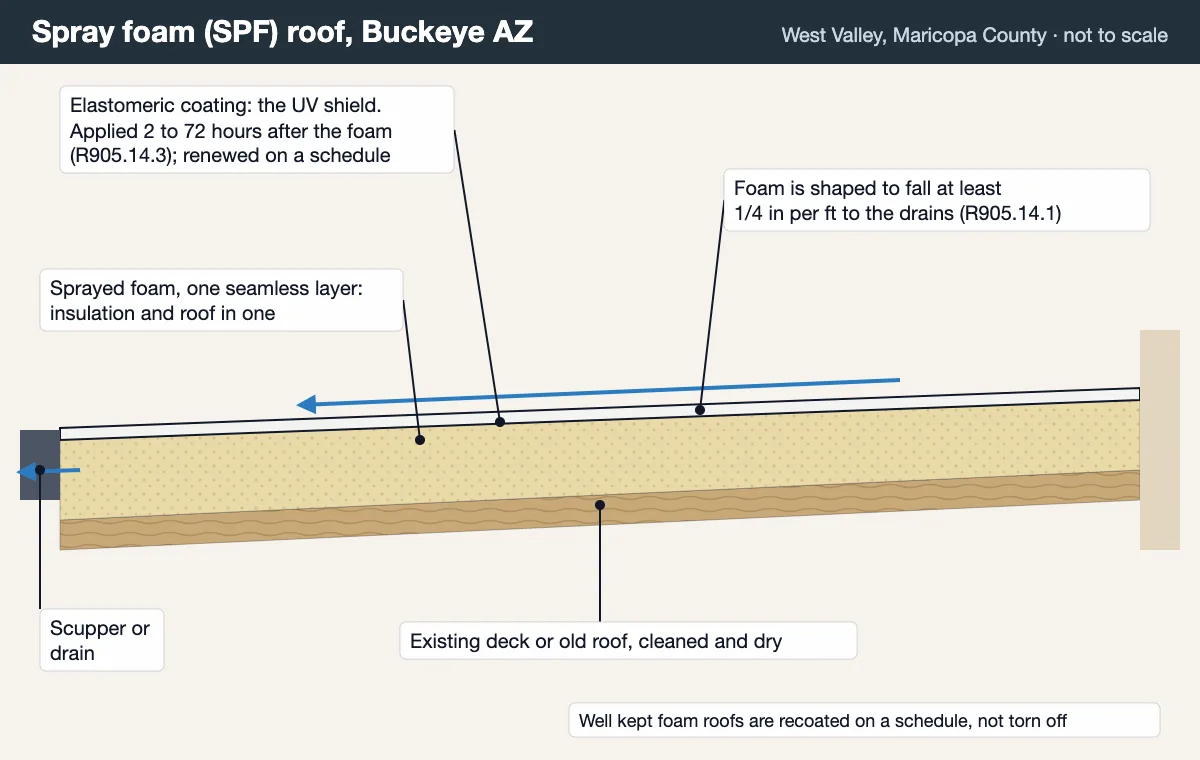
| Spray foam (SPF) | Repair, recoat on a 5 to 7 year Phoenix-area schedule | Foam widely eroded, wet or delaminated |
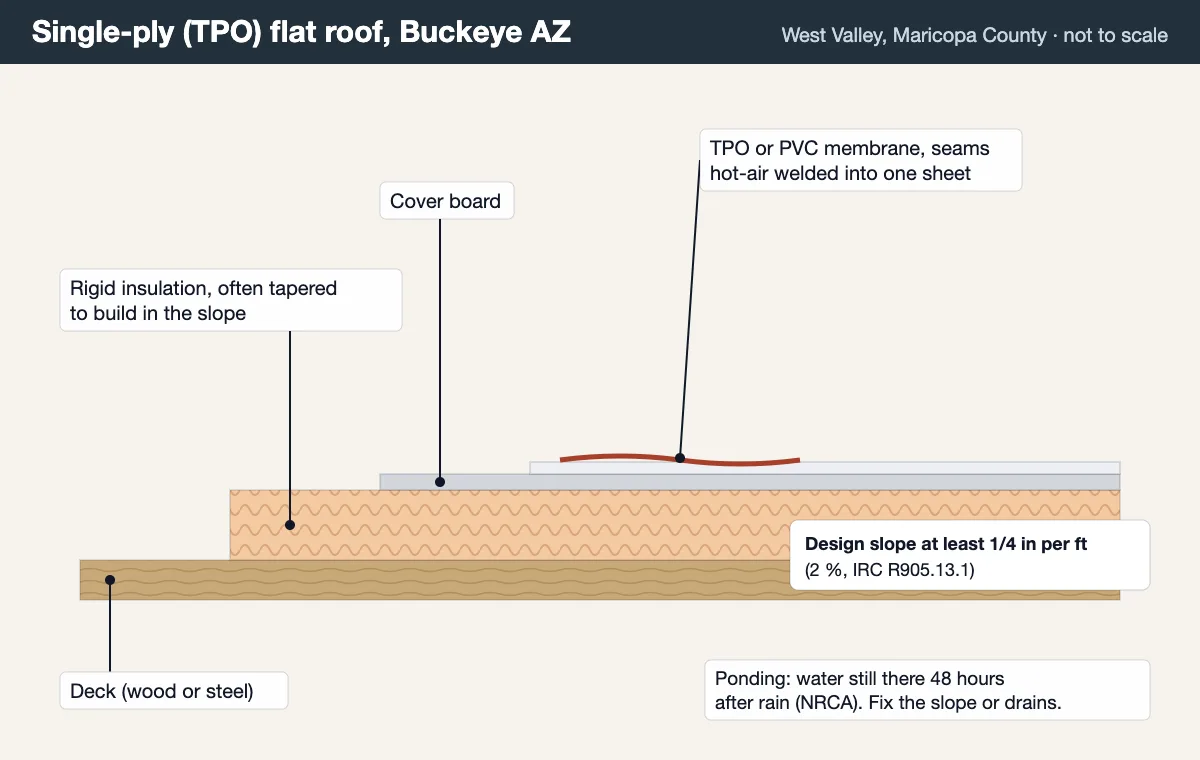
| TPO | Seam and flashing repair, then a compatible coating | Membrane brittle, shrinking or widely failed |
| Modified bitumen / built-up | Repair blisters and seams, then coat | Widespread blistering, splits or saturation |
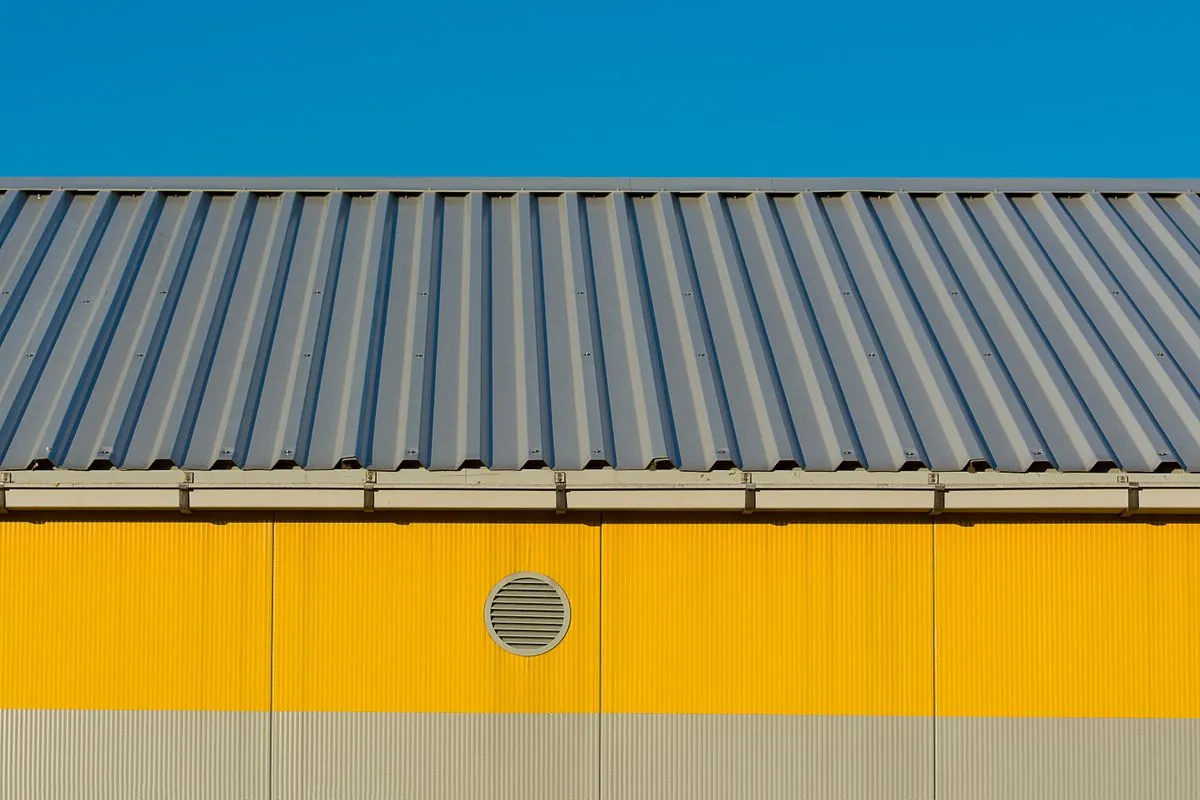
| Metal | Fastener and seam repair, rust treatment, then coat | Panels rusted through or deck structurally unsound |
Silicone, acrylic and other coatings
The coating type should follow the roof, especially its drainage. Flat roofs that hold water after monsoon storms need a coating suited to ponding.
| Coating | Generally chosen for | Consider |
|---|---|---|
| Silicone | Roofs that pond water after storms | Recoating later generally needs silicone again |
| Acrylic | Well-drained roofs; high reflectivity at lower cost | Less suited to standing water |
| Other elastomerics | Specific substrates per manufacturer | Follow the manufacturer's system spec |
General guidance. The manufacturer's system specification and your roofer's survey decide the product.
- Product name and system specification in writing
- Dry film thickness to be applied
- Repairs included before coating, itemized
- Manufacturer warranty terms, and whether an inspection is required to issue it
- Recoat schedule and maintenance requirements
Commercial roofs in Buckeye
Buckeye's commercial stock is growing fast along I-10. The Buckeye I-10 Logistics project covers 145 acres with over 2.2 million square feet of industrial space, and Amazon has signed a 1.2 million square foot industrial lease in the city. Alongside that sit retail centers, offices, churches, schools and HOA amenity buildings, many with flat foam or membrane roofs.
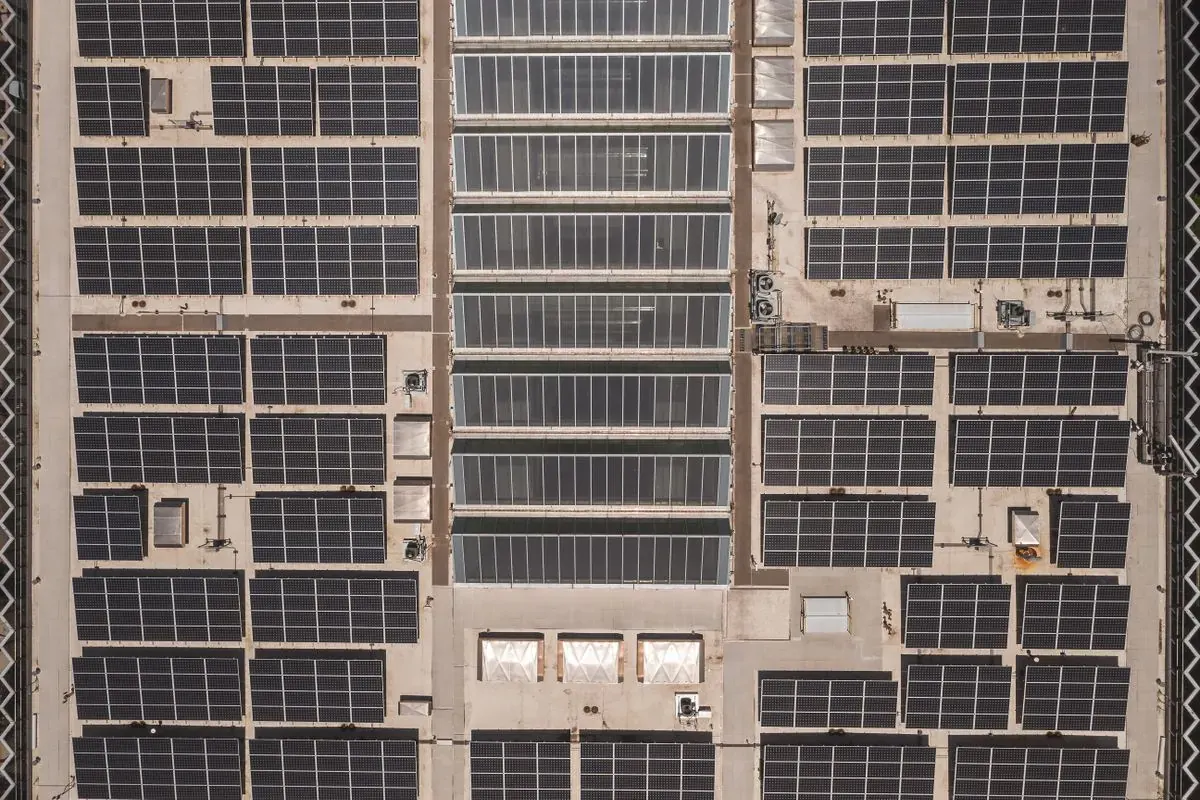
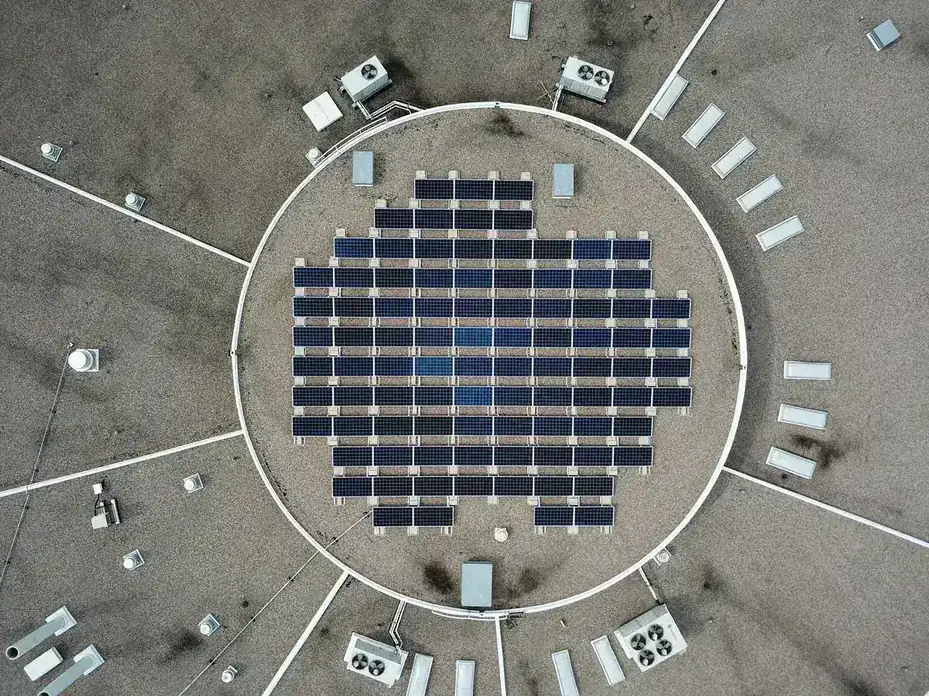
Solar arrays add a step: panels may need removing and reinstalling for a full replacement, while a coating may be possible around them. See commercial roofing, commercial roof coating, commercial roof repair and industrial and warehouse roofing.
Licensing and timing
Commercial roofing in Arizona needs a C-42 Roofing license, or the dual CR-42 classification, from the Registrar of Contractors. Check the ROC number on any bid. See how to check an Arizona roofer's license.
Coatings need dry conditions to cure, so schedule around the monsoon, which the National Weather Service defines as June 15 to September 30. Survey in spring, coat before storm season, and inspect again after it.
What a restoration job involves
A restoration coating is only as good as the preparation under it. A properly specified job follows the same sequence whatever the coating.
- Survey. Moisture scan and core cuts to map wet areas.
- Remove wet material. Cut out saturated insulation and roofing and replace it.
- Clean. Pressure-wash dirt, dust and loose material so the coating can bond.
- Repair details. Seams, flashings, curbs, penetrations, drains and scuppers.
- Prime where specified. Some substrates need a primer for adhesion.
- Coat to thickness. Apply the coating at the specified thickness, often in more than one pass.
- Inspect. Check thickness and coverage; the manufacturer may inspect before issuing a warranty.
What drives the price either way
Commercial roofs vary too much for a single price to mean anything, so compare proposals on scope. These are the things that move the number.
| Driver | Why it matters |
|---|---|
| Roof area | The base of every price |
| Share of the roof that is wet | Every wet square foot is removed and replaced before coating |
| Rooftop units, curbs and penetrations | Each one is detail work, and most leaks start there |
| Drainage | Ponding changes the coating choice and may need added drains or tapered insulation |
| Access and height | Equipment, hoisting and safety set-up |
| Solar arrays | Coat around them, or remove and reinstall for replacement |
| Operating hours | Night or weekend work for occupied buildings costs more |
Keeping the building running
On an occupied building, the roof job is also an operations job. Coatings can have an odour during application, rooftop units may need to be shut down while work goes on around air intakes, and tear-off means noise and debris. A good proposal includes a schedule, a plan for protecting air intakes, and a contact for tenants or staff.
After the work: keeping it that way
- Inspect in spring before the monsoon and again after it
- Clear drains and scuppers of dust and debris after storms
- Keep foot traffic to walkways, especially around rooftop units
- Repair punctures and damaged coating promptly
- Keep records of inspections and repairs; warranties may require them
- Plan the next recoat before the coating wears through
See roof maintenance and flat roof repair.
Thinking in roof cycles, not single jobs
For a building owner, the useful question is not just this year's price but the next twenty years. A roof that can be restored and then recoated on schedule spreads its cost into smaller, planned jobs. A roof that is left until it fails ends in a full replacement, often after interior damage.
| Maintained and restored | Left until it fails | |
|---|---|---|
| Inspections | Before and after each monsoon | After leaks appear |
| Repairs | Small, as found | Large, under pressure |
| Coating | Renewed on schedule | Worn through; foam or membrane exposed |
| Insulation | Stays dry | Saturates, losing value and adding weight |
| End result | Restoration remains an option | Full replacement, plus interior repairs |
On spray foam, a Phoenix roofer's guide puts the realistic recoat schedule at about every 5 to 7 years in the Valley and says many Arizona foam roofs can last 30 to 50 years or more with that care.
Comparing restoration and replacement proposals
A restoration proposal and a replacement proposal are different products, so compare them on what each delivers, not just the total.
- Moisture survey results attached, with core locations
- Square footage of wet material to be removed, and the price per square foot beyond it
- Every repair detail listed: seams, curbs, penetrations, drains, edge metal
- Product names and specified thickness for coatings; full system specification for replacements
- Warranty: who issues it, for how long, and what inspection or maintenance it requires
- Schedule, working hours and how occupants are protected
- The roofer's C-42 or CR-42 license number
Typical Buckeye commercial roof situations
| Situation | Usual direction |
|---|---|
| Foam roof on a retail building, coating worn thin, foam dry | Repair and recoat |
| Foam roof never recoated, foam eroded with wet areas | Cut out wet areas; restore if limited, replace if widespread |
| TPO on a newer warehouse, seams opening at a few curbs | Targeted seam and flashing repairs |
| Built-up roof on an older building, widespread blistering and saturation | Replacement |
| Metal roof on a shop, rust at fasteners, panels sound | Fastener replacement, rust treatment, coating |
| HOA clubhouse flat roof with ponding at drains | Fix drainage or choose a ponding-tolerant coating |
Illustrative situations only; a moisture survey and inspection decide each real roof.
Terms in a commercial roof proposal
| Term | Meaning |
|---|---|
| Core cut | A small sample cut through the roof to see the layers and check for moisture |
| Infrared survey | A thermal scan that shows where wet insulation holds heat |
| Dry film thickness | The thickness of the cured coating, which sets how long it lasts |
| Scupper | An opening in a parapet wall that drains water off a flat roof |
| Curb | The raised frame a rooftop unit sits on, flashed into the roof |
| Ponding | Water standing on the roof after rain has stopped |
How to decide between coating and replacing
- Survey for moisture. Infrared or moisture-meter scan, confirmed with core cuts.
- Map the condition. Wet areas, failed seams and flashings, drainage, deck condition.
- Decide restore or replace. Limited wet areas: cut out and restore. Widespread saturation: replace.
- Compare written specs. Product, thickness, prep, repairs and warranty, side by side.
- Schedule around the weather. Coatings need dry conditions to cure; avoid monsoon storm days.