How roof leaks happen on Buckeye roofs
A roof leak in Buckeye, AZ is almost always one of five things: aged felt under tile, a failed flashing, a split pipe or vent boot, wind-moved tile, or a worn coating on a flat foam section. Knowing which one is the difference between a repair that lasts and one that fails at the next storm.
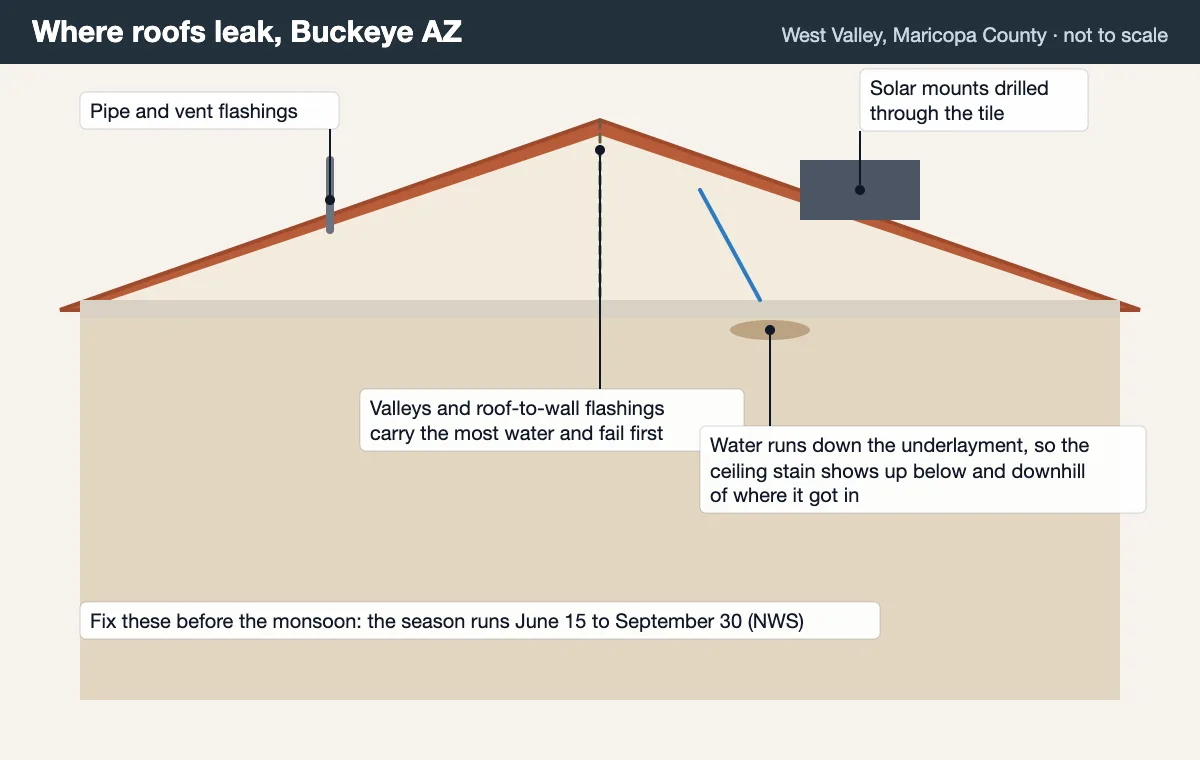
The local twist is the weather. Buckeye goes most of the year with little rain, then the monsoon, which the National Weather Service defines as June 15 through September 30, delivers wind and heavy rain together. Defects that sat harmlessly through months of dry weather all show up at once, and wind-driven rain finds gaps that ordinary rain never would.
That is also why so many Buckeye leaks are first noticed during monsoon season, on a ceiling, in a room where nothing on the roof looks wrong from the street.
The five common causes, and how each is fixed
1. Aged felt under tile
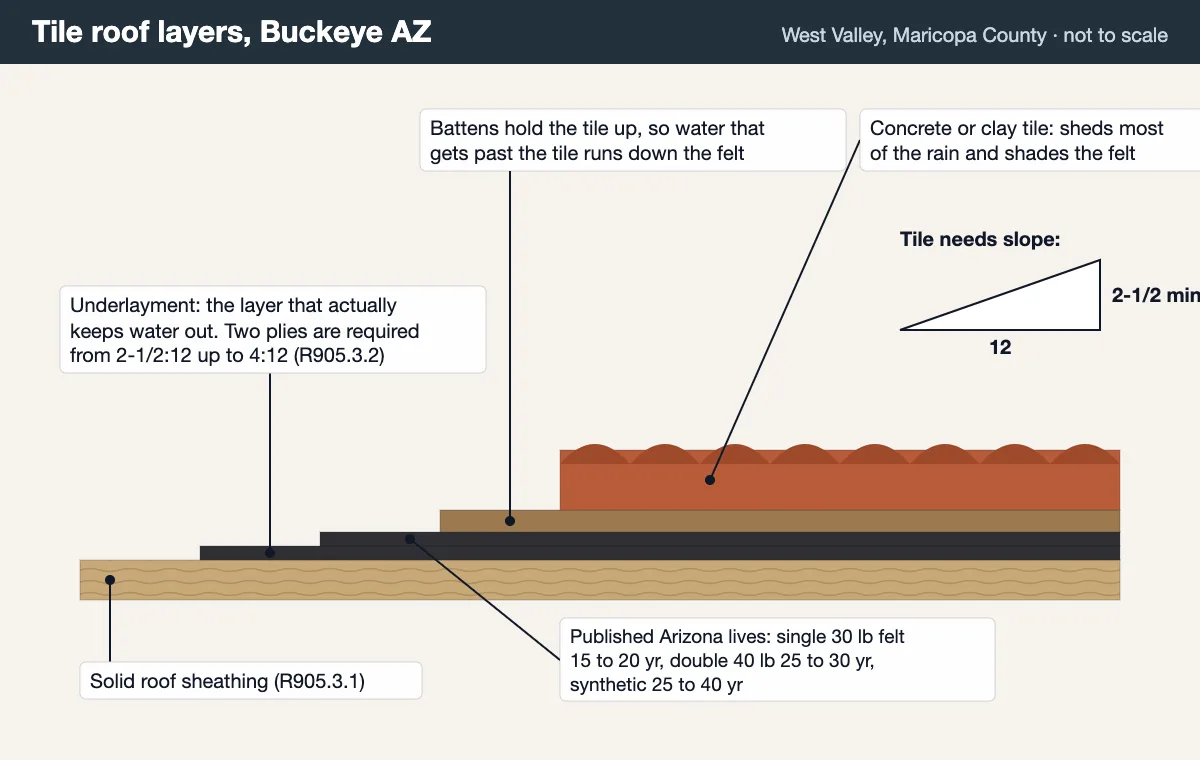
The most common Buckeye tile leak is not a broken tile at all but the felt beneath it. Single-layer 30-pound felt has a published Arizona life of 15 to 20 years, and a Phoenix roofer's table describes it as common on homes built before 2005. When it fails, water that gets under the tile goes straight through. A local fix can stop one leak; the lasting fix is an underlayment replacement.
2. Failed flashing
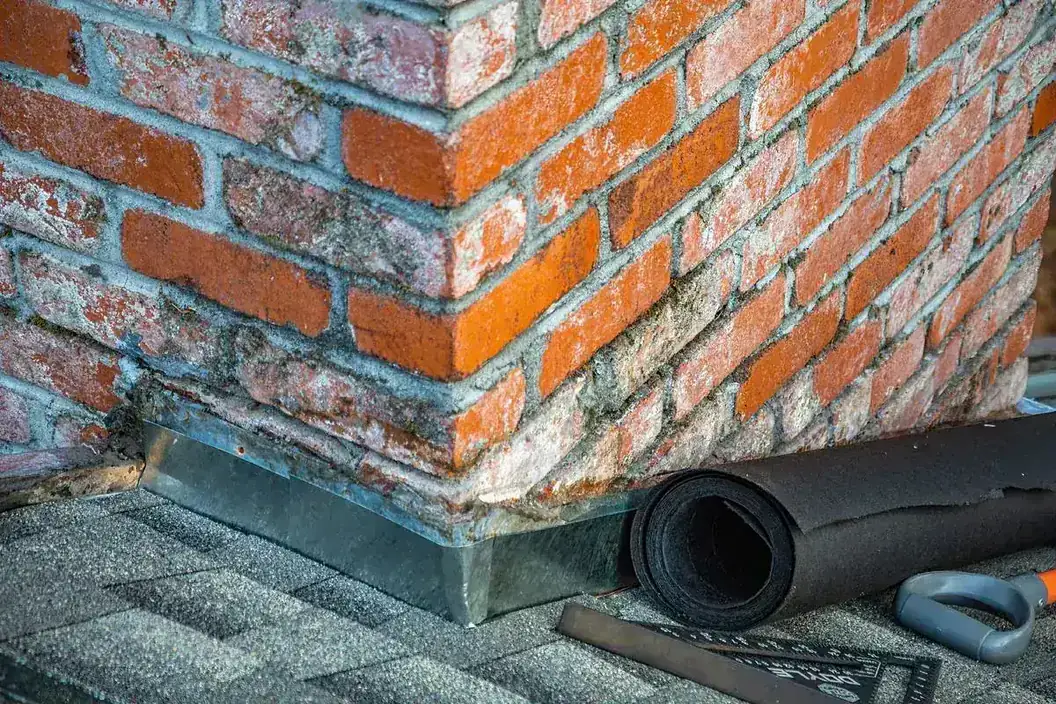
Walls, chimneys, skylights, dormers and solar mounts all depend on sheet-metal flashing to turn water. It lifts, corrodes, separates from stucco or relies on sealant that has cracked in the heat. The fix is to open the roof around it and renew the flashing.
3. Pipe and vent boots
The rubber collars on plumbing vents split in desert sun, and water then runs down the pipe into the wall or ceiling. Replacing the boot, and on tile the lead or flashing around it, is a quick repair.
4. Wind-moved tile
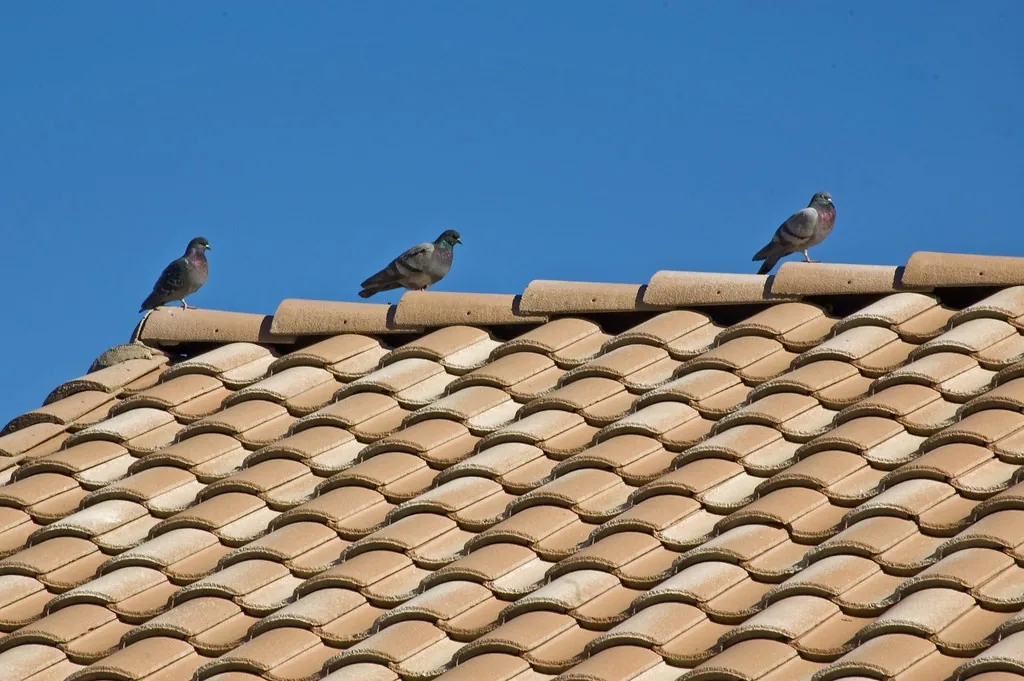
Downbursts lift ridge, hip and eave tile and slide field tile down the slope, opening gaps exactly when the rain arrives. Resetting and refastening the tile, and checking the felt beneath, is the repair. See storm damage repair.
5. Worn coating on foam and flat roofs
On spray foam, a coating worn through to bare foam, blisters and bird damage let water into the foam itself. On membranes it is split seams and punctures. See flat roof repair and roof coating.
| Where you see water | Usual entry point |
|---|---|
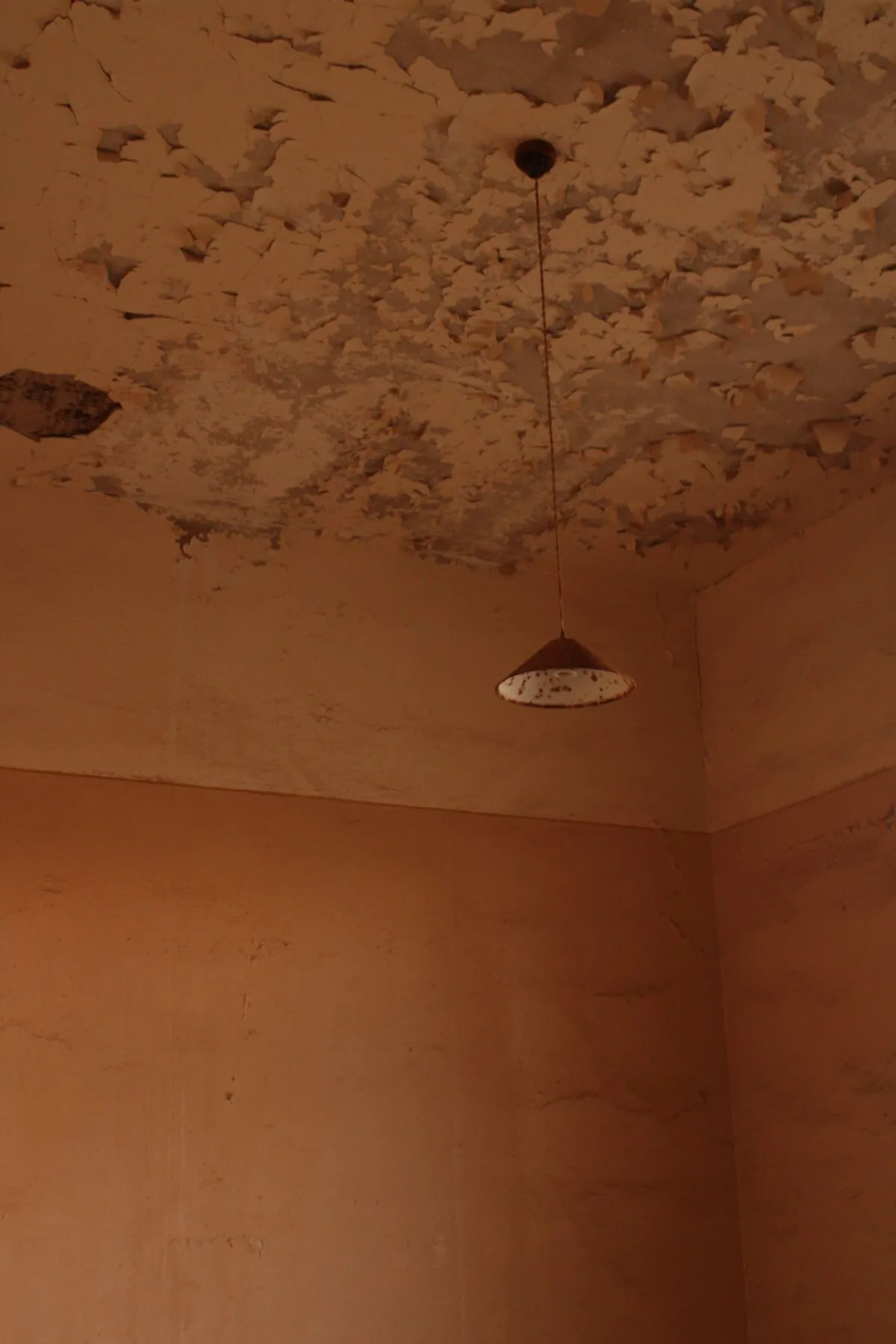
| Ceiling near an exterior wall | Wall or step flashing, or eave tile and felt above it |
| Around a ceiling light or fan | A pipe or vent boot directly above, or water running along a rafter |
| Near the chimney or fireplace | Chimney flashing or the cricket behind it |
| Below a valley in the roof line | Valley metal or debris-blocked valley |
| Under a skylight | Skylight flashing, not the glazing, in most cases |
| Under a patio or flat section | Foam coating wear, a blister, or the joint to the pitched roof |
| Only in wind-driven storms | Flashing, ridge and hip details, or wind-displaced tile |
| In several rooms, after every rain | Failed underlayment across the roof |
What to do in the first hour
In the first hour of a roof leak, protect the inside of the house and record what happened; the roof can wait until the storm has passed.
- Move furniture, rugs and electronics out of the drip path and put a container under it
- Switch off power to any light fixture or fan that water is reaching
- If a ceiling is bulging, a small hole at the lowest point lets the water drain into a bucket instead of bringing the ceiling down
- Photograph the inside damage and, from the ground, any visible roof damage, with dates
- Stay off the roof while it is wet or a storm is active: tile is slippery and breaks underfoot
- Note the time and date so the National Weather Service storm record can be matched to it
How a leak is traced
Tracing a leak means following the water backwards. On a pitched roof, water that gets past the tile runs down the felt and along battens and rafters, sometimes several feet, before it finds a place to drip. The roofer reads that trail in the attic, then opens the roof uphill of it.
For leaks that only appear in particular storms, a methodical water test, wetting one section at a time from the bottom up and waiting, isolates the entry point. It is slower than guessing, and it is the reason a traced repair does not come back.

When a leak means a bigger job
A leak means a bigger job when the cause is the waterproof layer itself rather than one detail. On tile that is felt that crumbles wherever a tile is lifted. On foam it is wide areas of eroded or wet foam. On shingle it is a roof losing granules and cracking across whole slopes.
In those cases a roofer should still offer a temporary repair to get you through the season, and price the real fix beside it: an underlayment replacement, a foam roof restoration, or a roof replacement. See the service area or request a leak repair quote.
Roof leaks by roof type
The same ceiling stain means different things on different roofs, so the first useful question is which roof you have. Most Buckeye homes have one of four, and some have two: pitched tile over the living space and a flat foam section over a patio or addition.
Tile roofs
On tile, the leak is usually in the felt beneath, at a flashing, or where a tile has moved. Water that gets under a tile is normal; the felt is supposed to carry it to the eave. When the felt has aged past its published 15 to 20 year Arizona life in single-layer 30-pound form, it stops doing that. See tile roof repair.
Shingle roofs
On shingle, leaks come from missing or lifted tabs after wind, nail pops, failed pipe boots, and step flashing at walls. A shingle roof that leaks in many places at once is usually at the end of its life. See shingle roofing.
Foam and flat roofs
On a foam roof, water gets in where the coating has worn through, where birds have pecked holes, at blisters, and at the joint where a flat section meets a pitched roof or a wall. Ponding that sits for days speeds all of it up. See foam roofing.
Metal roofs
On metal, the suspects are exposed fasteners whose rubber washers have aged, laps and seams, trims, and pipe boots. Rust at fasteners is the early sign. See metal roofing.
What you can check from the attic
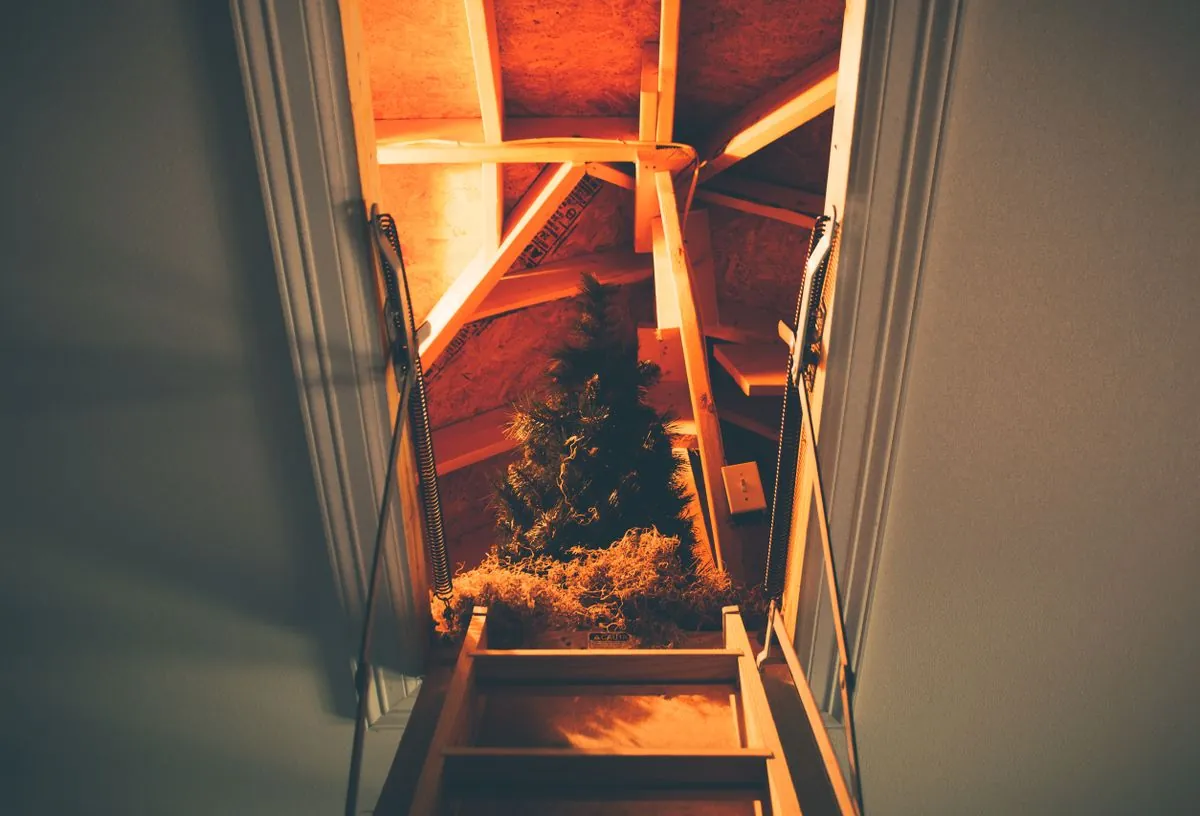
A safe look in the attic, on a cool morning and without stepping between joists, tells a roofer a great deal before they climb onto the roof.
- Dark staining on the underside of the deck, and which direction it runs
- Water marks on rafters or trusses that lead downhill to the drip point
- Damp or flattened insulation, which holds water and hides how big a leak is
- Daylight showing through the deck, which should never happen
- Rust on nails poking through the deck, a sign of repeated moisture
- Stains around plumbing vents, flues and any roof-mounted equipment
Photographs of what you find, with dates, help a roofer and, if a storm caused it, an insurance adjuster. Do not walk the attic in the afternoon in summer: Phoenix-area attics get dangerously hot.
Why Buckeye leaks show up in monsoon season
Buckeye roof leaks tend to show up in monsoon season because that is when the rain comes, and it comes with wind. The National Weather Service defines the monsoon as June 15 to September 30, with storms that bring damaging winds, heavy rain, hail and dust. A roof that sat dry for months has every small defect tested in a single afternoon.
That pattern has a practical consequence. After big monsoon storms, roofers across the Valley are busy, and the first visit after a storm is often a temporary dry-in rather than a permanent repair. Having the roof looked at in May or early June, while there is time, is the single best way to avoid a summer leak. See roof maintenance and the monsoon roof damage guide.
Temporary repairs versus permanent ones
A temporary repair stops water now; a permanent repair fixes why it got in. After a monsoon storm, the first visit is often temporary: a tarp properly secured, a tile reset by hand, a patch on a foam roof. That is fine, and often the right call when roofers are stretched across the Valley. The problem is when the temporary fix becomes the only fix.
A good written quote marks which work is temporary and when the permanent repair will happen. Sealant smeared over a tile, a tube of caulk around a flashing, or a tarp left through a second monsoon are the signs that a temporary repair has outstayed its welcome.
The leak repair process
- Stop the damage inside. Containers, furniture moved, power off to affected fixtures, and a controlled drain hole in a bulging ceiling if needed. Photographs with dates for the record.
- Temporary dry-in if needed. If the roof is open after a storm, a roofer tarps or temporarily resets the area so no more water gets in before the permanent repair.
- Trace the leak from the attic. The wet trail on the deck, battens and rafters shows where water is running. The entry point is usually uphill of the stain.
- Open the roof at the entry point. Tiles are lifted, shingles raised or membrane seams examined at the suspected spot, and the felt, flashing or penetration is inspected.
- Repair the cause. The failed flashing is renewed, the tile reset or replaced, the boot replaced, the foam cut out and refilled, or the seam rewelded. Not sealed over.
- Test and document. Where practical the area is water-tested, and you receive photographs of the cause and the repair with a written description of what was done.