Buckeye Roof Experts
Buckeye, Arizona
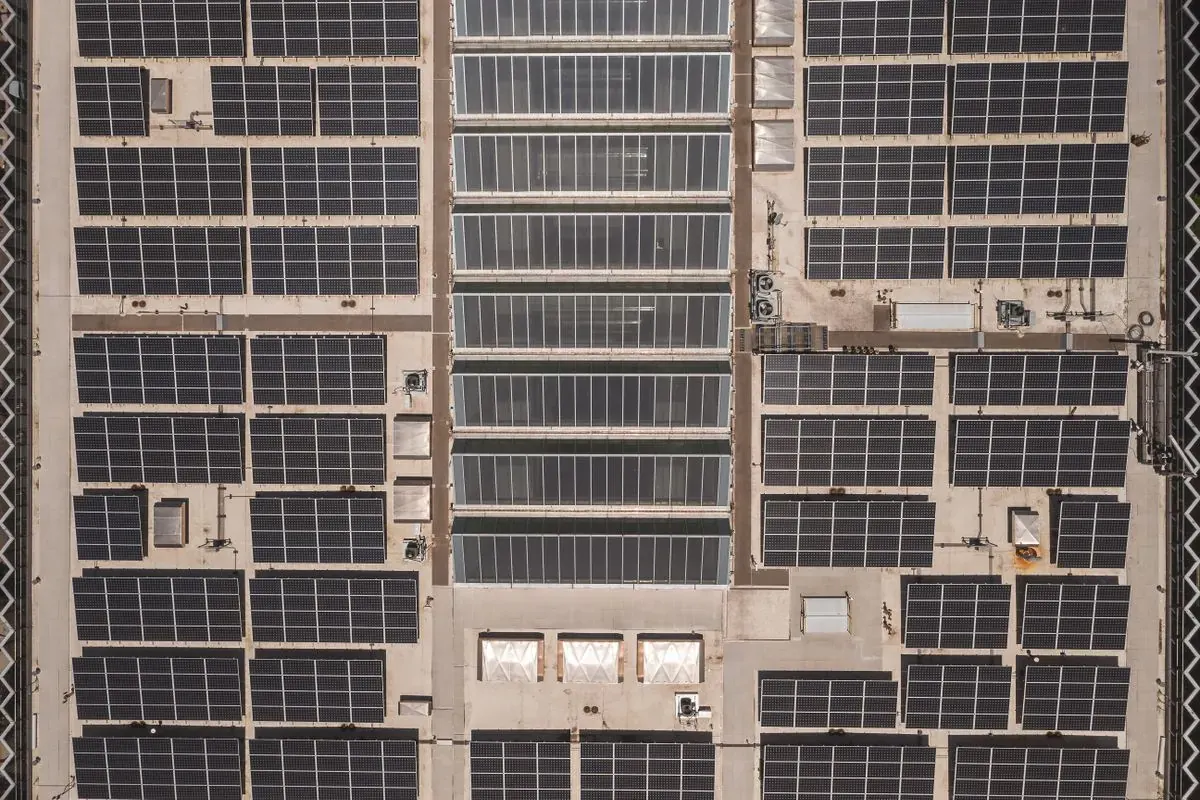
Aerial view of a large warehouse roof with rows of solar panels and rooftop equipment
Commercial Roofing

Commercial Roofing in Buckeye, AZ

Commercial roofing in Buckeye, AZ for warehouses, logistics buildings, retail, offices, schools and HOA buildings: TPO, spray foam, restoration coatings, modified bitumen and metal, repaired, restored or replaced by roofers with Arizona's C-42 or CR-42 license.

  • C-42 and CR-42 roofers
  • TPO, foam, coatings, metal
  • Repairs without shutdown
  • Restoration vs replacement

Commercial roofing in a fast-growing West Valley city

Commercial roofing in Buckeye, AZ is growing as fast as the city itself. Buckeye went from 50,876 residents in 2010 to 114,334 in the Census Bureau's July 2024 estimate, and the shops, schools, offices and services that followed all sit under low-slope roofs. Along I-10, the growth is industrial on a very large scale.

Commercial roofs in Buckeye face the same sun and monsoon as homes, at much larger scale, with rooftop units, drains and tenants underneath. Commercial roofing work in Arizona is licensed under the C-42 or CR-42 classification, and every quote arranged through this site comes from a roofer who holds one.

Commercial roof systems in Buckeye

Common low-slope roof systems, Arizona 2026 published installed cost
SystemPer sq ftWhere it fits
Spray foam (SPF) with coating$3.50 to $7.00Insulating, seamless, good around equipment; needs recoating
Modified bitumen$4.00 to $8.00Multi-ply asphalt system; durable, familiar
TPO single-ply$5.00 to $10.00White reflective membrane; common on new warehouses and retail
Metal, panel to standing seam$8.00 to $18.00Warehouses, shops, industrial and agricultural buildings
Restoration coatingProject-specificExtends a sound, dry existing roof

Source for per-square-foot figures: Arizona roof replacement cost guide, May 2026 (residential-scale figures). Commercial projects are priced on their own survey and specification.

TPO

A white, heat-welded single-ply membrane and the common choice on new logistics and retail buildings. See TPO roofing.

Spray foam

Seamless and insulating, good on roofs crowded with equipment, and long-lived with recoats every few years in Arizona. See foam roofing.

Metal

Standing seam and panel roofs on warehouses, shops and industrial buildings. See industrial and warehouse roofing.
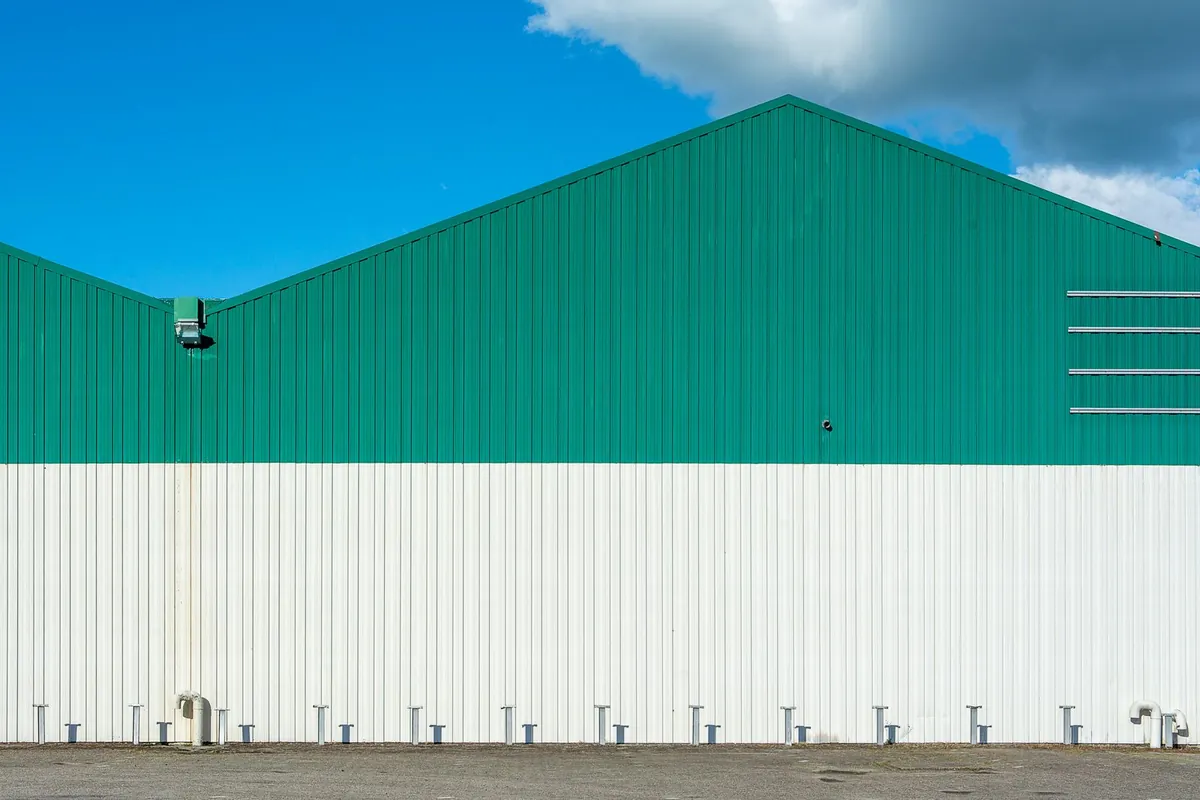
Large metal-clad warehouse with a low-pitched metal roof under a blue sky
Large-span metal warehouses. Fasteners, laps, gutters and skylights are where their roofs need attention.

What threatens commercial roofs here

  • Rooftop HVAC units, curbs and penetrations, the leading source of commercial leaks
  • Foot traffic from equipment service crews crossing membranes and coatings
  • Monsoon wind at perimeters and corners, where membranes and edge metal peel
  • Dust blocking drains and scuppers just before monsoon rain
  • Ponding on large flat areas, which speeds membrane and coating ageing
  • Heat: roof surfaces that can pass 160 degrees, cycling every day

Repair, restore or replace

Commercial roof decisions turn on moisture. A dry roof with surface wear and failing details is a candidate for repair and a restoration coating, which costs far less and disrupts far less than a tear-off. A roof with wet insulation across large areas has to be replaced, because coating over trapped water accelerates the damage.

See commercial roof repair, commercial roof coating and the coating versus replacement guide. Coverage is on the service area page, or request a commercial assessment.
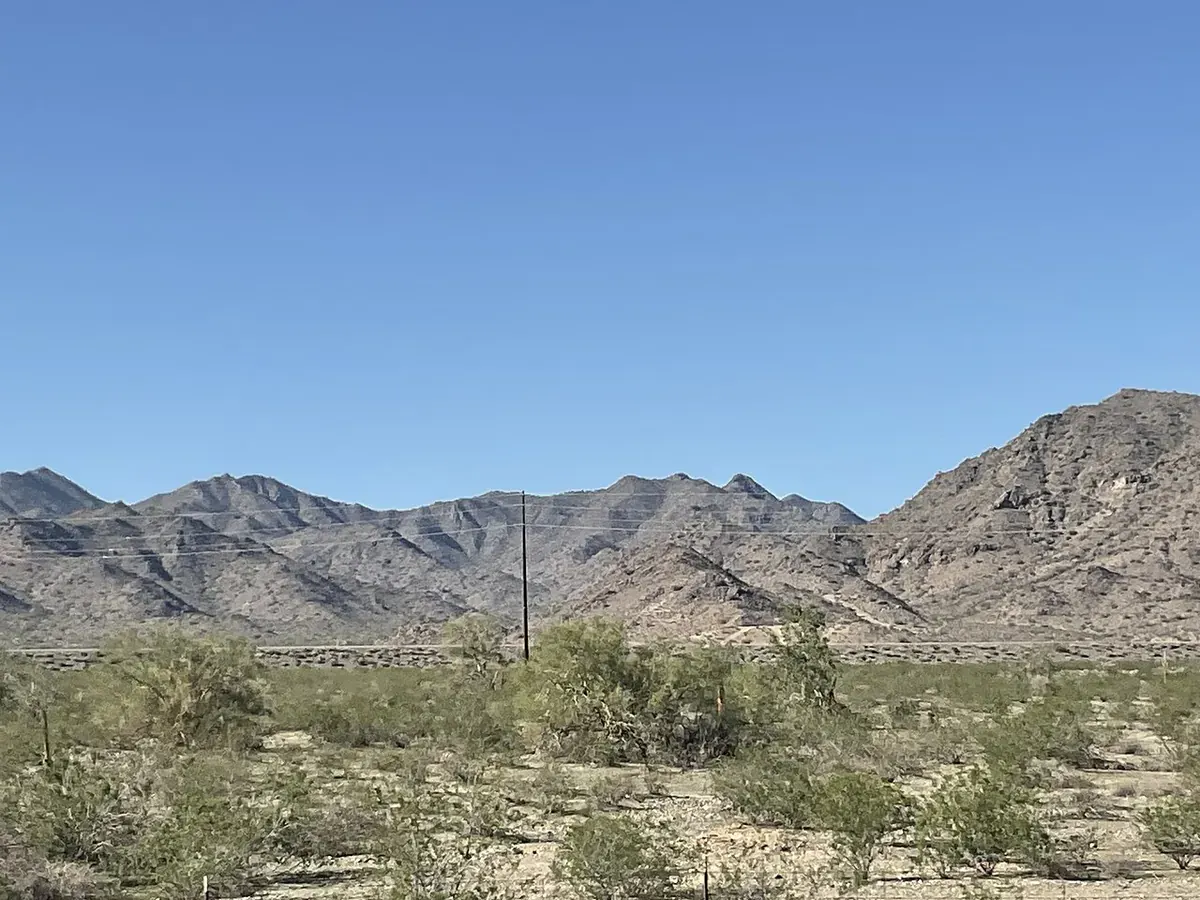
Desert hills and scrub alongside Interstate 10 in Buckeye, Arizona
Desert hills along I-10 in Buckeye. The freeway frontage is where the city's industrial growth is concentrated.

Commercial roofs by building type

Logistics and industrial

Large-span TPO and metal roofs along I-10, with skylights, drains and solar. See industrial and warehouse roofing.

Retail and offices

Strip centers and office buildings, often with flat roofs behind parapets carrying HVAC for each tenant space. Leaks at units and parapet base flashings are the common problems, and repairs must work around trading hours.

Schools, churches and community buildings

A mix of low-slope membranes, foam and pitched roofs, often with tight schedules set by the school year or events. Work is planned for holidays and weekends where possible.

HOA and multi-family

Clubhouses, amenity buildings and apartment or townhome blocks in Buckeye's master-planned communities. These often combine tile roofs with hidden flat sections, and count as commercial work for licensing and permits even when they look residential.

Planning and budgeting

A commercial roof is easier to budget when its condition is known. Regular inspections with photographs, a moisture survey when the roof is middle-aged, and a written plan, repair now, restore in a few years, replace later, turn surprises into scheduled projects.

  • Know the roof system, its age and any warranty terms
  • Inspect in spring and autumn, and after major storms
  • Moisture-test before deciding between restoration and replacement
  • Plan major work outside the June 15 to September 30 monsoon where possible
  • Allow time for permit review on any commercial re-roof

How a commercial roofing project runs
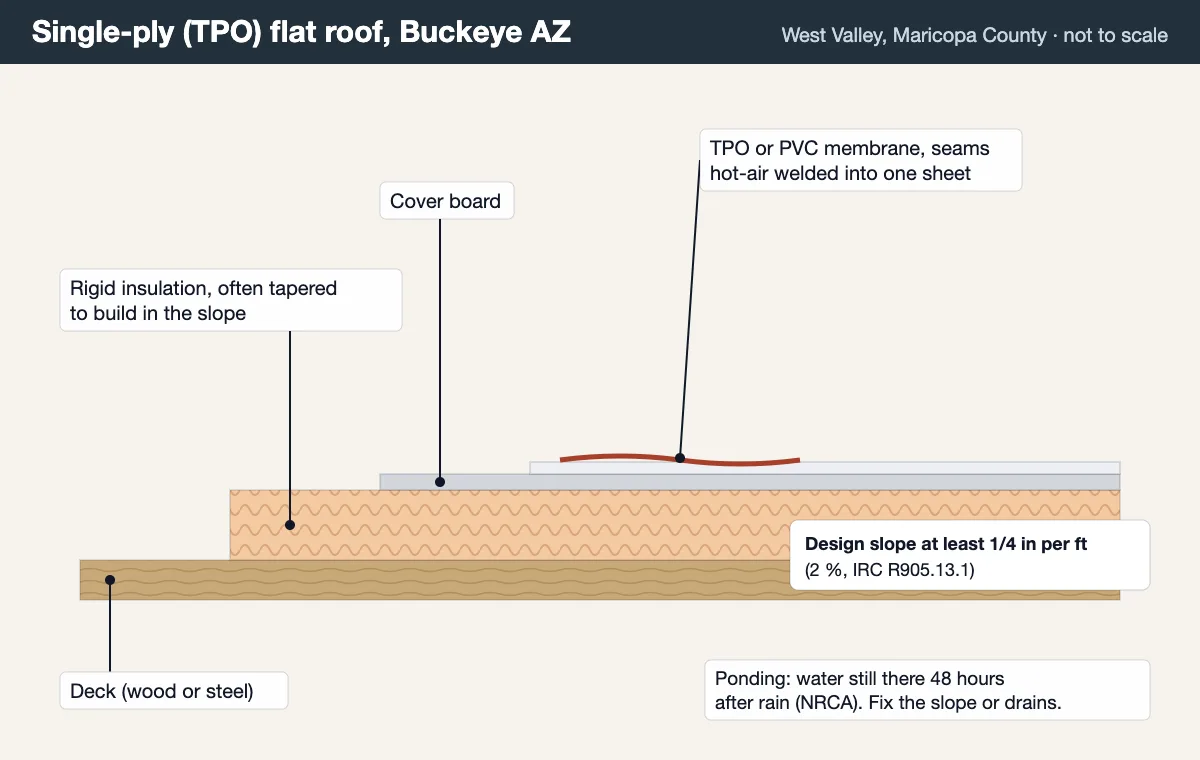
Single-ply TPO flat roof diagram: deck, tapered insulation, cover board and welded membrane, with the 1/4 inch per foot minimum slope
A single-ply (TPO or PVC) low-slope roof: insulation and cover board under a membrane whose seams are heat-welded. The code minimum fall is 1/4 inch per foot; water still standing 48 hours after rain is ponding. Not to scale.
  1. Survey and records. The roofer reviews the building, its roof history and any warranties, then surveys the roof: membrane or foam, seams, flashings, units, drains and perimeter.
  2. Moisture testing where needed. Core cuts or non-destructive testing establish whether the insulation and assembly are dry, which decides repair, restoration or replacement.
  3. Written scope and options. Repair, restoration coating and replacement are scoped and priced where each is a genuine option, with schedule and access plans.
  4. Permits and coordination. Commercial re-roofs need a City permit; work is coordinated with building management, tenants and rooftop equipment contractors.
  5. Work and close-out. The work is completed in phases where needed, with daily dry-in, and closed out with photographs, warranty documents and inspection records.
Request a Free Roof Quote

Four fields. A licensed Arizona roofer looks at the roof on your property in Buckeye and sends back a written quote with the ROC license number on it. Nothing is committed until you say so.

Commercial roof in Buckeye?

Warehouses, retail, offices and HOA buildings. Get a written scope from a C-42 licensed Arizona roofer.

  • An inspection on the roof, not a sales pitch from the driveway
  • A written, itemized quote with the ROC license number printed on it
  • Underlayment, flashing and deck condition called out, not just the surface
  • Permit and HOA steps named in the quote when the job needs them
Request a Free Roof Quote

Four fields. A licensed Arizona roofer looks at the roof on your property in Buckeye and sends back a written quote with the ROC license number on it. Nothing is committed until you say so.

Commercial roofing in Buckeye, AZ: frequently asked questions

What kinds of commercial roofs are common in Buckeye?

Low-slope roofs dominate: TPO single-ply membrane, spray polyurethane foam with elastomeric coating, modified bitumen and built-up roofs, and standing seam or panel metal on warehouses, shops and industrial buildings. A May 2026 Arizona cost guide gives TPO at $5.00 to $10.00 per square foot installed, spray foam at $3.50 to $7.00 and modified bitumen at $4.00 to $8.00, though large commercial projects are always priced on their own drawings.

What license does a commercial roofer need in Arizona?

Commercial roofing is licensed by the Arizona Registrar of Contractors under the C-42 Roofing classification, or CR-42 for a dual residential and commercial license. A.R.S. 32-1124 requires the license number, preceded by "ROC", on all written bids and estimates. Check it on the ROC website before awarding work.

Does a commercial re-roof need a permit in Buckeye?

Generally, yes. Buckeye's permit exemption for re-roofing, its amendment to IBC section 105.2, covers residential (R3) re-roofing with the same type of material only. Commercial re-roofs fall outside it, so plan for a permit and allow time for review in the schedule. Confirm specifics with the City of Buckeye Development Services. The City's Permit Center page lists re-roofs among projects that require permits, so confirm with the Permit Center first.

Can a commercial roof be coated instead of replaced?

Often, if the existing roof is structurally sound and dry. A silicone or acrylic restoration coating over a sound membrane, foam or metal roof can extend its life at far lower cost and disruption than a tear-off. Moisture testing decides it: coating over wet insulation traps the water in. See our commercial roof coating page and the coating versus replacement guide.

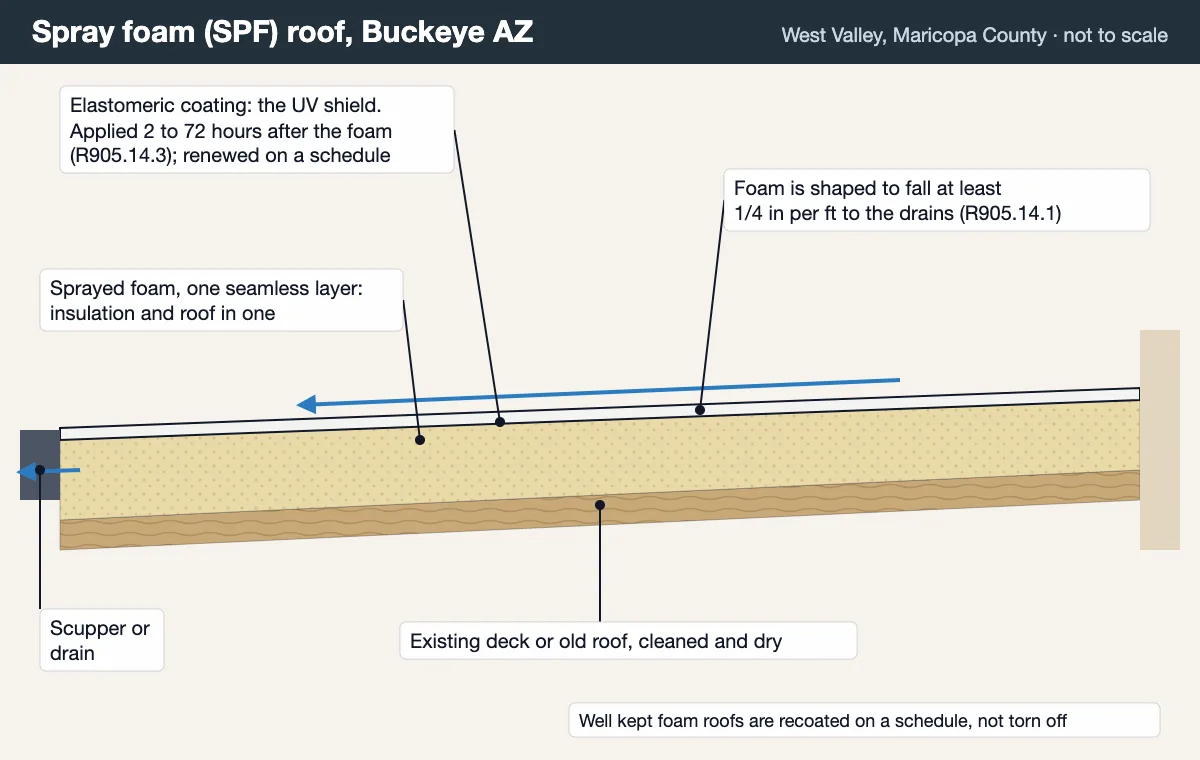
Spray foam roof diagram: foam sprayed over the deck, sloped to a scupper, under an elastomeric coating
A spray foam (SPF) roof is one seamless layer of foam, shaped to drain at least 1/4 inch per foot and protected by a coating that has to be renewed on a schedule. Not to scale.
How do you repair a commercial roof without shutting the business down?

Most commercial roof repairs are done from the roof with no interior work: flashings at rooftop units and curbs, drains, seams and perimeter details. Work is scheduled around operations, noisy or odorous work planned for quieter hours, and access routes agreed with the building manager. Tear-offs over occupied space need more planning but are routinely done without closing.

How often should a commercial roof be inspected?

Twice a year is the common commercial practice: in spring, before the June 15 start of the monsoon, and in autumn after it. Inspections after any major storm and after rooftop equipment work catch damage before it reaches tenant space.

Why is Buckeye building so many warehouses?

Its I-10 frontage and land supply. The 145-acre Buckeye I-10 Logistics park, the largest industrial complex under development on the city's I-10 frontage just west of Verrado Way, is planned for more than 2.2 million square feet of industrial space, Amazon has signed a 1.2 million square foot industrial lease in Buckeye, and the city rezoned a nearly 2,000-acre site called Grand View Buckeye as an employment district.

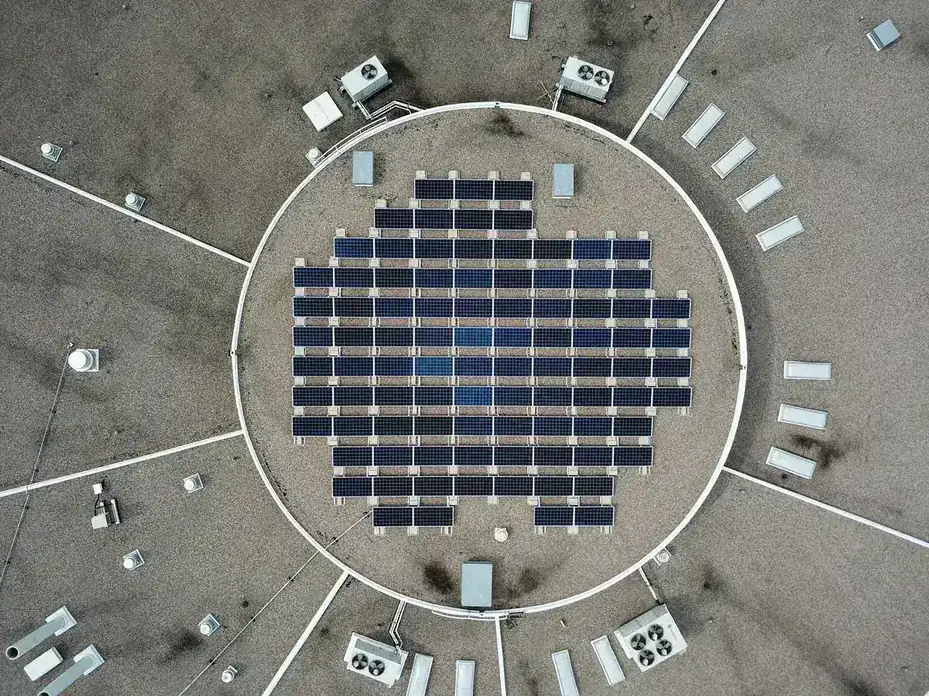
Top-down view of a commercial flat roof with rooftop units and a circular solar array
A commercial flat roof with rooftop units. Every unit, curb and service path is a place for the membrane to be cut, punctured or worn.
Do you handle HOA and multi-family roofs?

Yes. Community clubhouses, amenity buildings, apartment and townhome blocks, and HOA-managed roofs are commercial work for licensing purposes even when they look residential. Roofing quotes for associations should match the community's architectural standards and maintenance cycle.

How much does a commercial roof cost in Buckeye?

Commercial roofs are priced from a site survey because size, system, insulation, access, equipment and detailing vary so much. Published Arizona per-square-foot figures, $5.00 to $10.00 for TPO, $3.50 to $7.00 for spray foam and $4.00 to $8.00 for modified bitumen in a May 2026 guide, are useful as a reference point for smaller roofs, but a written scope from a C-42 roofer is the only reliable number.

What is the best commercial roof for Arizona heat?

Reflective, well-detailed low-slope systems: white TPO, spray foam with a reflective coating, or metal with a reflective finish. The best choice depends on the building, the roof's equipment and penetrations, insulation needs and the owner's maintenance plans.

Do you work on commercial roofs in the unincorporated areas around Buckeye?

Yes, including properties around Tonopah, Palo Verde and Arlington, through C-42 licensed roofers. Permits for unincorporated parcels go through Maricopa County Planning and Development rather than the City of Buckeye.

Get a commercial roofing assessment

A C-42 licensed roofer surveys the roof and scopes repair, restoration or replacement in writing.

Get a Free Quote
Get a Free Roof QuoteFree written priceWhat It Costs