How commercial roofs leak
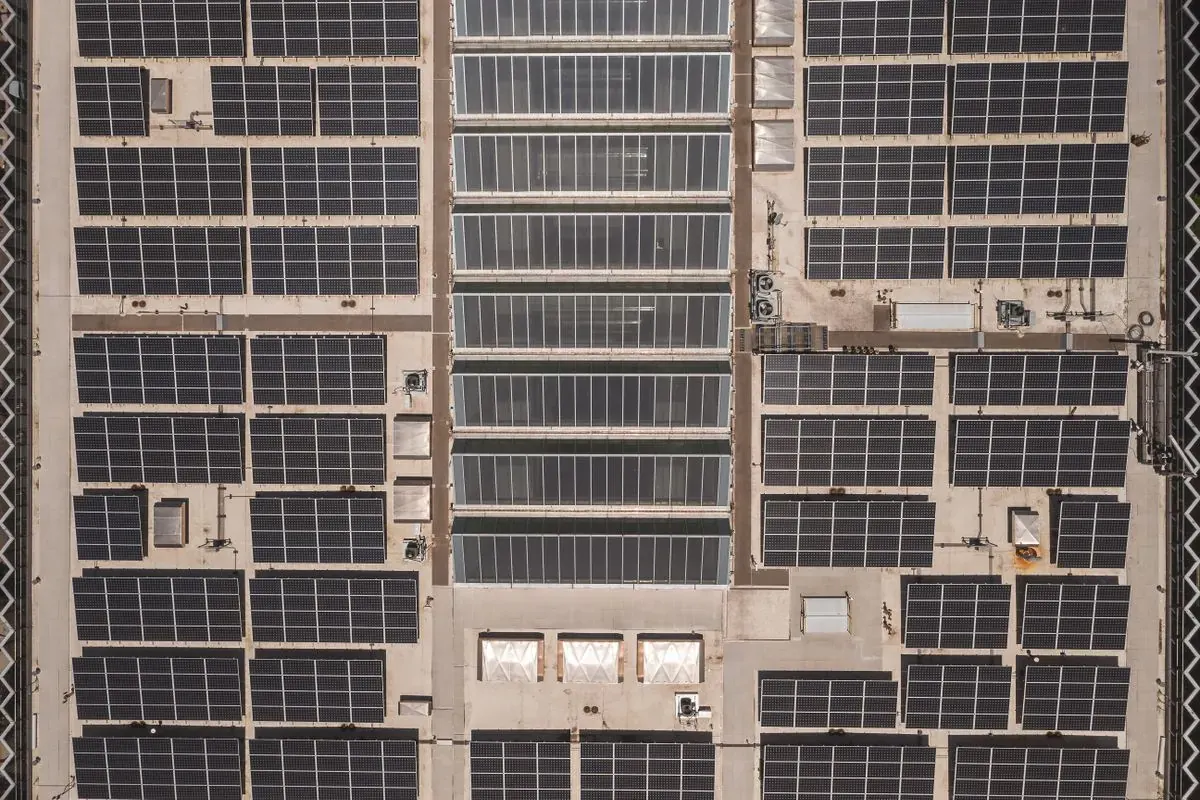
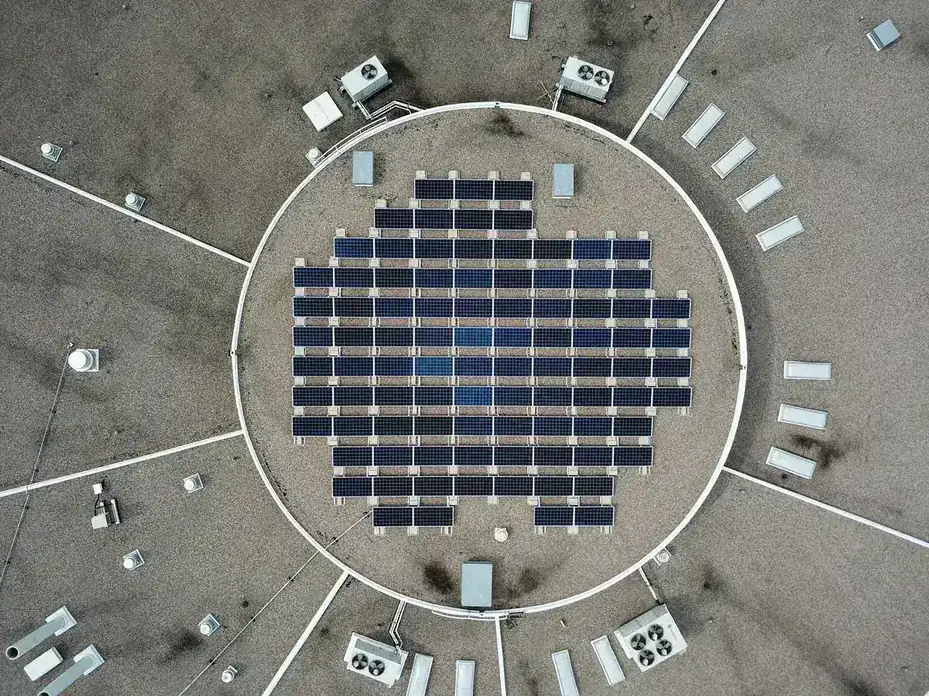
Commercial roof repair in Buckeye, AZ is mostly detail work. A low-slope commercial roof is a large, flat waterproof surface cut through by equipment curbs, pipes, conduits, drains and skylights, and edged by parapets and metal. The open field of a sound membrane rarely leaks. The cuts and edges do.
Buckeye adds its own pressures: roof surfaces that can pass 160 degrees in summer cycling every day, monsoon winds that work at perimeters, and dust storms that fill drains right before the rain. National Weather Service dust storm warnings come with gusts of 40 to 60 mph.
Good commercial repair work finds the actual entry point, repairs it with materials compatible with the existing roof, and leaves the building manager with a record of what was found.
The usual leak points
| Location | Typical failure | Repair |
|---|---|---|
| HVAC curbs | Flashing separated, membrane cracked at corners | Reflash curb, reinforce corners |
| Pipe and conduit penetrations | Boots split, pitch pans empty or cracked | New boots or refilled pitch pans |
| Drains and scuppers | Clamping ring loose, blocked, membrane torn at drain | Clear, reseal, replace ring or patch |
| Seams | Weld or lap separation | Reweld TPO, re-adhere or torch mod bit |
| Parapets and edges | Base flashing pulled away, coping joints open | Re-secure flashing, reseal coping |
| Foam roofs | Coating worn, blisters, foot-traffic damage | Cut out, refill, recoat |
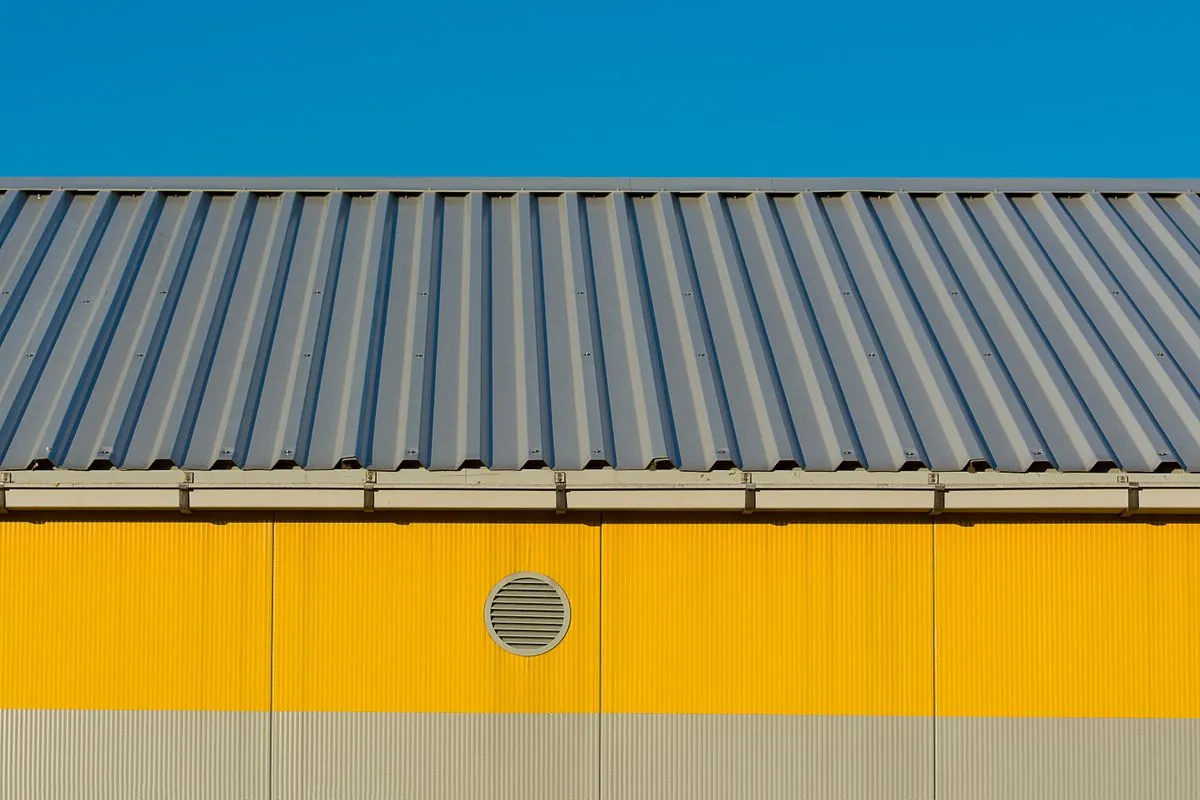
| Metal roofs | Fasteners backed out, laps open, gutters overflowing | Refasten, reseal, clear gutters |
Rooftop equipment and foot traffic
Rooftop units cause the most commercial roof leaks in Buckeye for two reasons: they cut the roof, and they bring people onto it. Service crews carrying tools and parts cross the membrane or foam repeatedly, and coatings and thin membranes do not tolerate that well.
- Install walkway pads from the roof hatch to every unit and around service sides
- Require equipment contractors to report any roof damage they cause or find
- Photograph the roof around units before and after equipment replacement
- Check curb flashings at every inspection, and after any unit is swapped
- Keep condensate lines draining to drains, not across the roof surface
Drains, scuppers and dust
Monsoon storms deliver dust first and rain second, and the dust goes straight into drains and scuppers. A blocked drain on a large flat roof can put a surprising depth of water against seams and flashings that were never meant to be submerged.
When repairs are not enough
When leaks keep appearing in new places, the roof may be wet beneath the surface. Moisture testing tells you whether the roof can be restored with a coating after repairs, or whether it needs replacing.
Restoration
A dry roof with tired details can often be repaired and restored with a silicone or acrylic coating. See commercial roof coating.
Replacement
A roof wet over large areas needs replacing, typically with TPO, foam or metal. Commercial re-roofs need a permit in Buckeye. See commercial roofing, TPO roofing, the service area, or request a commercial repair.
Emergency leaks and temporary measures
When a commercial roof is actively leaking into occupied or stocked space, the first job is to stop the water and protect what is below, and only then to make the permanent repair.
- Protect inventory, equipment and electrical systems below the leak, and contain the water
- Check roof drains above the leak, because a blocked drain is a common cause of sudden leaks after storms
- A roofer makes a temporary repair at the source, such as an emergency patch or sealing an opened seam
- Photograph the interior and roof conditions with dates for the building file and any insurance claim
- Schedule the permanent repair once the roof is dry and the cause confirmed
Parapets, coping and skylights
Many Buckeye commercial buildings hide their flat roofs behind parapet walls. The roof membrane turns up the inside of the parapet as base flashing, and the top of the wall is capped with metal coping. Water gets in where the base flashing pulls away from the wall, where coping joints open in the heat, and through cracks in the parapet stucco itself, then runs down inside the wall and appears far from the roof.
Skylights add curb flashings and, on older units, plastic panels that become brittle in the sun. Both get checked on every commercial inspection.
Documentation for owners and managers
Commercial roof repairs should leave a paper trail: the cause found, photographs, the repair made, and anything else noticed. That record supports warranty claims, insurance claims, budgeting for replacement, and tenant communications.
Commercial roofs before the monsoon
For a commercial building, the weeks before June 15 are the best time to prevent leaks. A pre-monsoon visit by a C-42 licensed roofer should clear every drain and scupper, check curb and penetration flashings, test suspect seams, re-secure loose perimeter metal and coping, and look at skylights.
- Drains, scuppers, gutters and downspouts cleared and flowing
- Curb flashings at every rooftop unit checked and repaired
- Seams probed in high-risk areas, especially near units and drains
- Perimeter edge metal and coping secured against wind
- Skylight curbs and panels checked
- Walkway pads in place to and around units
How a commercial leak is repaired
- Interior evidence. The roofer notes where water is showing inside and correlates it with roof drains, units and penetrations above.
- Roof survey. Seams, curbs, penetrations, drains and perimeter are checked over the leak area and around it.
- Find the source. Suspect details are opened or water-tested to confirm the entry point.
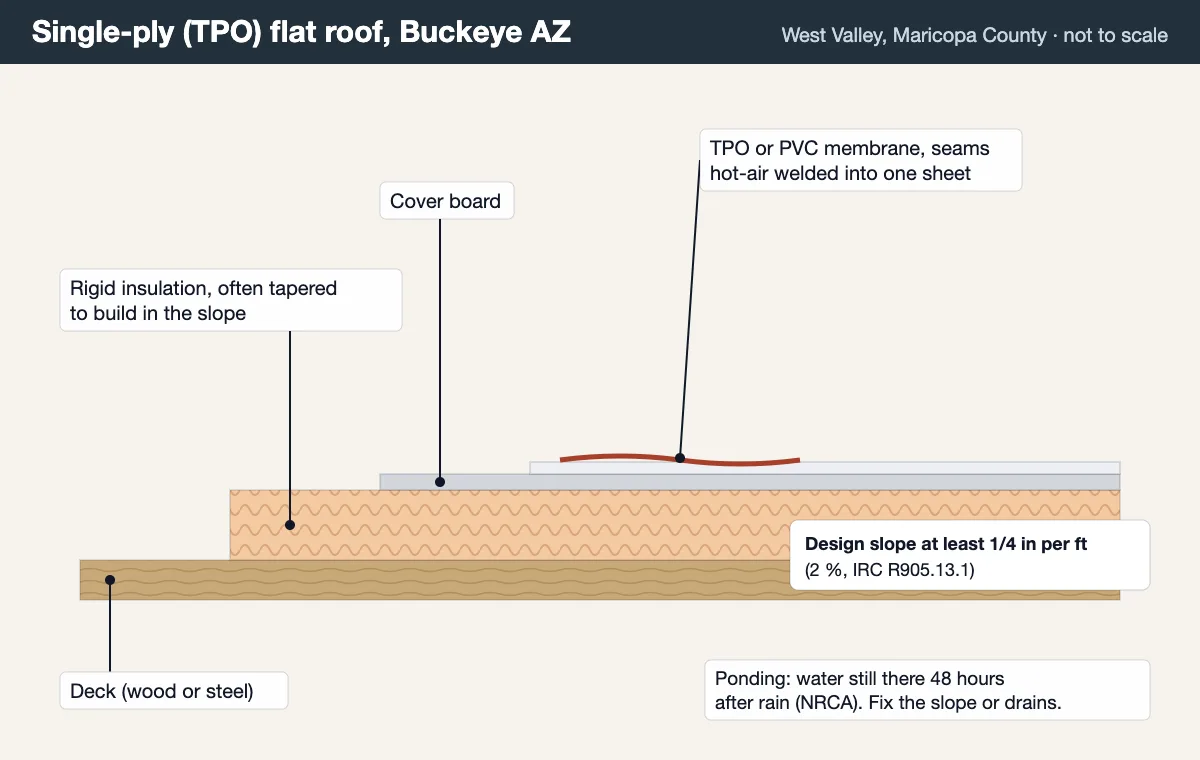
- Repair to the roof system. Repairs use materials compatible with the existing roof: welded TPO, torched or adhered mod bit, refilled and coated foam, reflashed metal.
- Report and prevention. Photographs and a written note of the cause and repair, with recommendations such as walkway pads or drain guards.