The short answer
For most pitched Buckeye homes, tile on a premium underlayment is the long-life choice and the one HOAs usually expect. Asphalt shingle costs less up front but has the shortest life in Arizona sun. Spray foam is the standard answer for flat and low-slope roofs. Metal costs more but lasts and handles heat well.
Side by side
| Roof | Per sq ft installed | 2,000 sq ft typical | Best for |
|---|---|---|---|
| Asphalt shingle (architectural) | $4.50 to $7.00 | $9,000 to $14,000 | Pitched roofs on a budget |
| Tile re-felt (existing tile reused) | $4.50 to $8.50 | $9,000 to $17,000 | Existing tile roofs with sound tile |
| Concrete tile, full new system | $7.00 to $14.00 | $14,000 to $28,000 | Pitched roofs, HOA communities |
| Clay tile, full new system | $10.00 to $18.00 | $20,000 to $36,000 | Premium pitched roofs |
| Spray foam (SPF) | $3.50 to $7.00 | $7,000 to $14,000 | Flat and low-slope roofs |
| TPO membrane | $5.00 to $10.00 | $10,000 to $20,000 | Flat roofs, commercial |
| Metal (panel to standing seam) | $8.00 to $18.00 | $16,000 to $36,000 | Long life, modern looks, outbuildings |
Published by Phoenix-area roofing price guides in 2026. Your roof's size, pitch, layers and deck condition change the number.
Tile
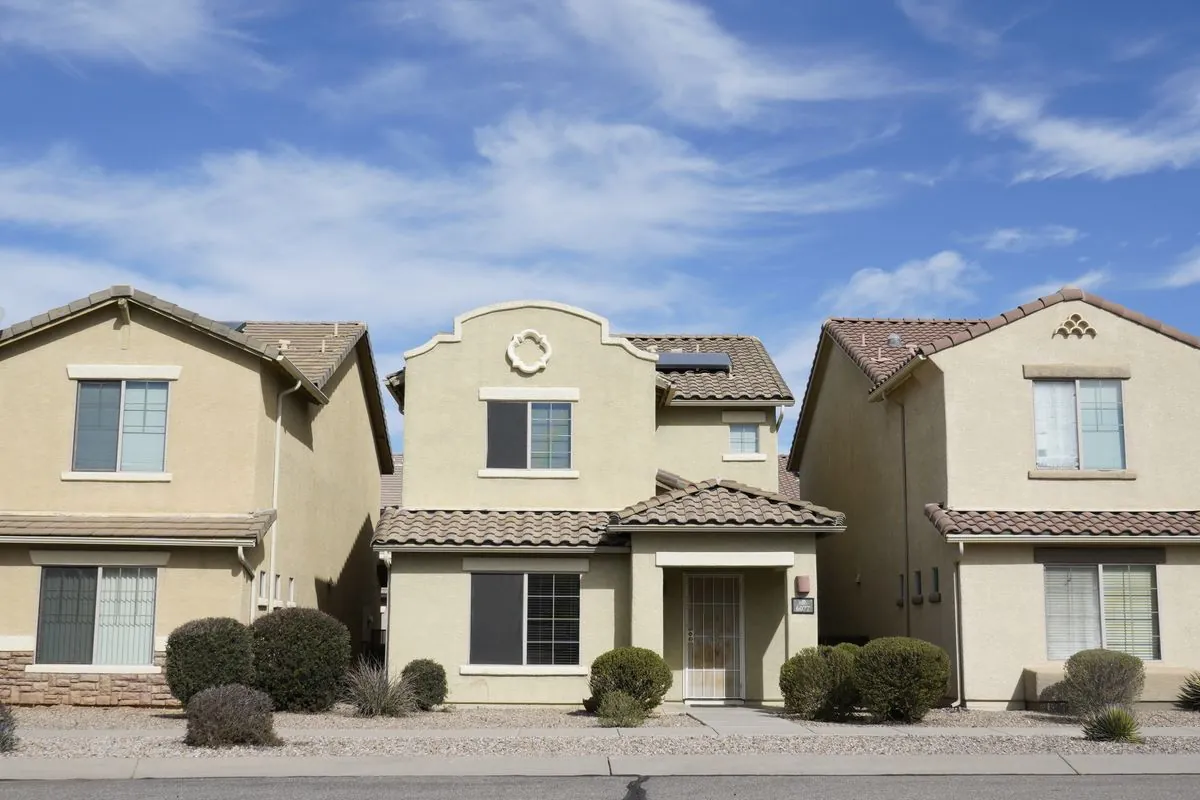
Concrete tile is the roof of most Buckeye homes, from Verrado to Sun City Festival. The tile itself is long-lived and is commonly lifted and relaid when the underlayment beneath it is replaced. The underlayment is the actual waterproofing, and its life is what you are really buying.
| Underlayment | Arizona life |
|---|---|
| Single 30# felt | 15 to 20 years |
| Double 40# felt | 25 to 30 years |
| G40 / modified | 25 to 35 years |
| Synthetic | 25 to 40 years |
| Peel-and-stick | 30 to 40 years |
From a Phoenix roofer's published Arizona underlayment table.
- Pros: long-lived tile, Southwest look, HOA-friendly, tile reusable at re-felt
- Cons: heavy, higher up-front cost, underlayment must be replaced on a cycle, tile breaks if walked on carelessly
Asphalt shingle
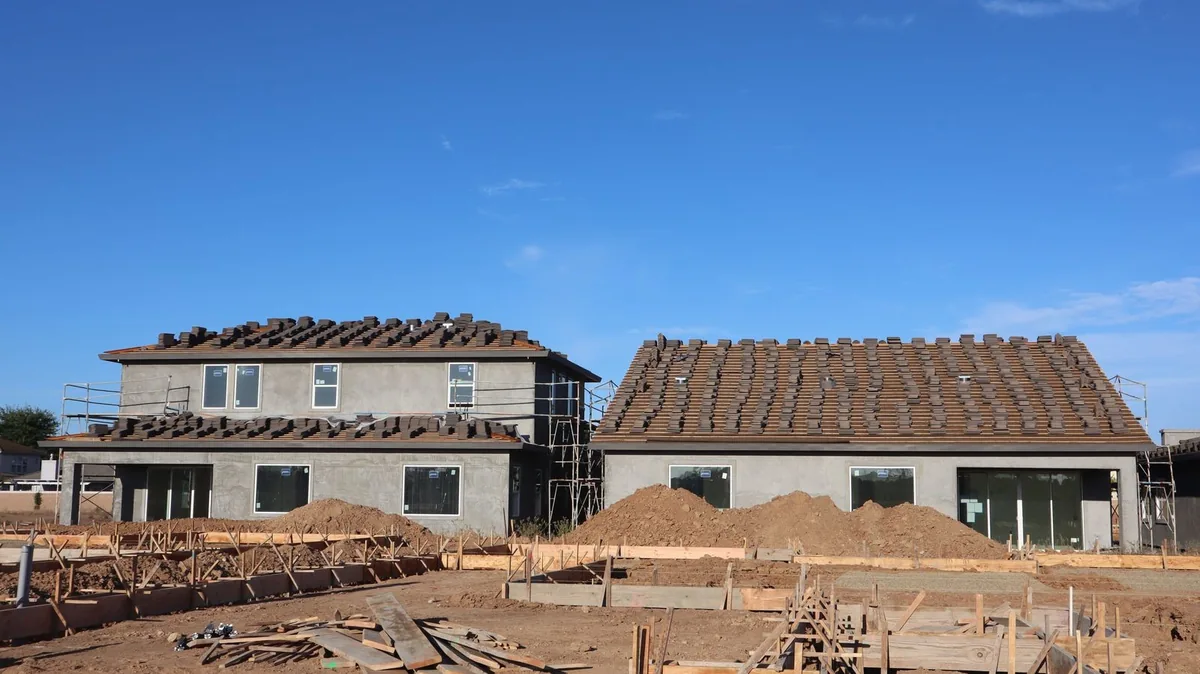
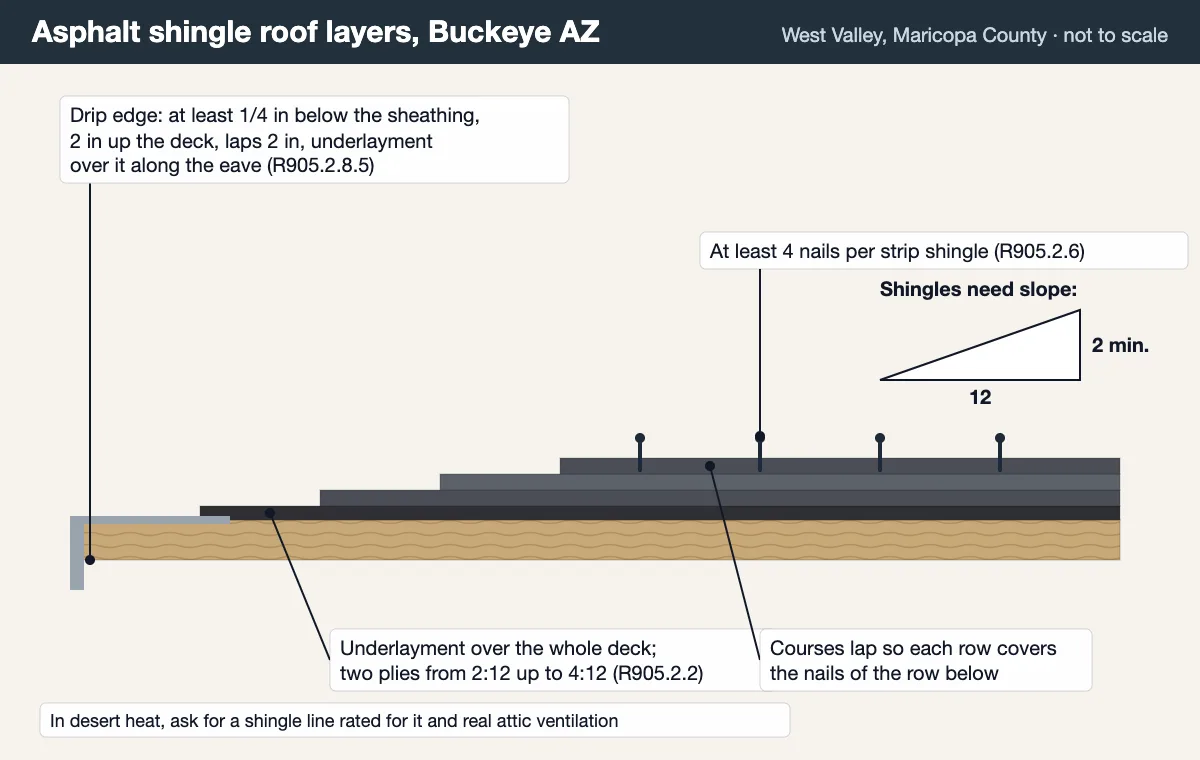
Shingle is the lowest-cost pitched roof and is quick to install. Its weakness in Arizona is exactly what Arizona has most of: sunlight and heat break asphalt down, and the south and west slopes age fastest. Architectural shingles, good attic ventilation and a quality underlayment all extend its life.
- Pros: lowest up-front cost for a pitched roof, light, fast to install, easy to repair
- Cons: shortest life in Arizona sun, granule loss, may not meet HOA design rules
See shingle roofing in Buckeye.
Spray foam (SPF)
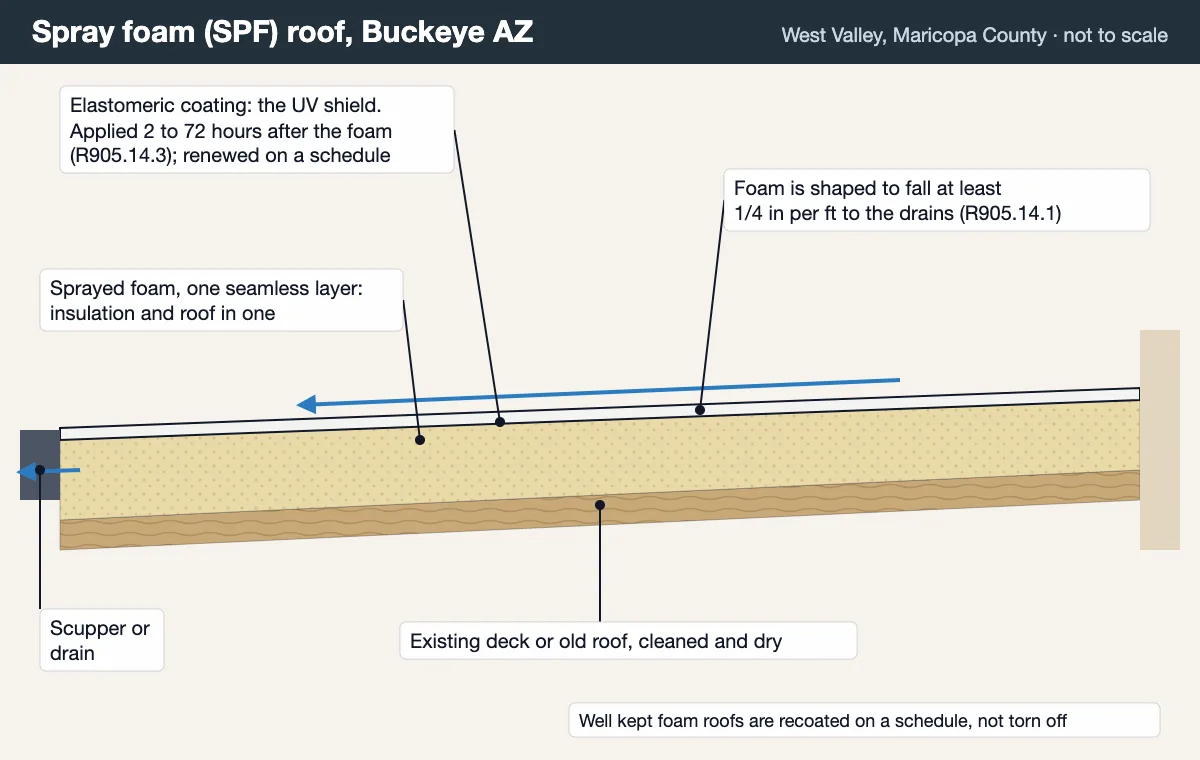
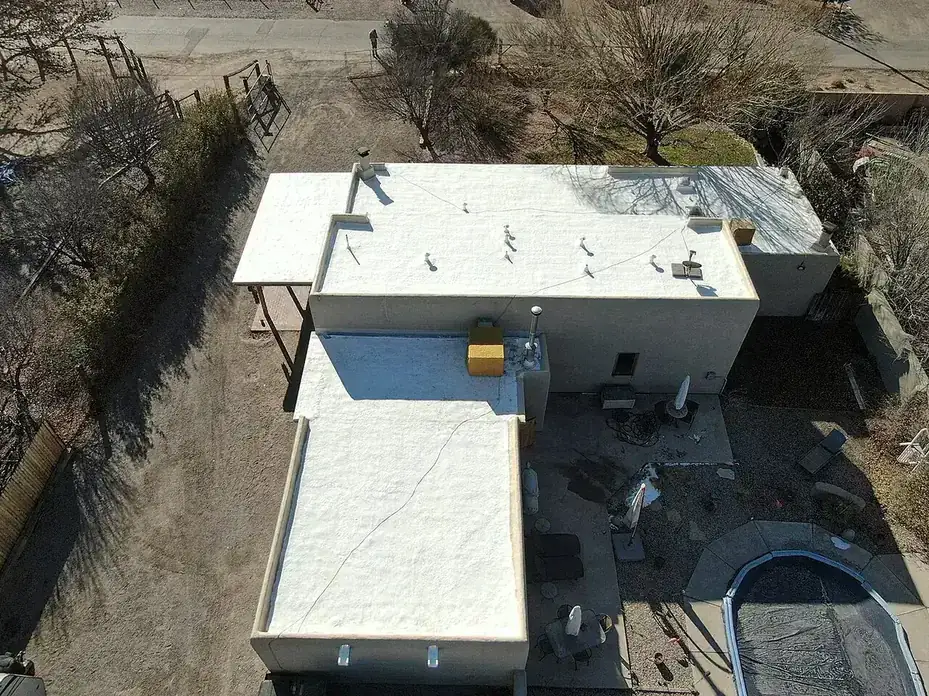
Spray polyurethane foam is sprayed on as a liquid that expands into a seamless, insulating layer, then coated with an elastomeric coating that protects it from the sun. It is the standard Arizona answer for flat and low-slope roofs, on homes and on commercial buildings.
- Pros: seamless, insulating, light, lowest up-front cost, can be recoated rather than replaced
- Cons: needs recoating on schedule, damaged by foot traffic and debris, fails fast if neglected
Metal
Metal roofs are long-lived, light, and avoid both the felt-under-tile cycle and shingle granule loss. Standing seam hides its fasteners; exposed-fastener panels cost less but need screws and washers maintained. Metal suits modern homes, ranch properties and outbuildings around Buckeye, Tonopah and Palo Verde.
- Pros: long life, light, sheds heat well with the right finish, low maintenance on standing seam
- Cons: highest up-front cost, may not meet HOA rules, exposed fasteners need upkeep
How each handles heat and monsoon
| Roof | Heat and sun | Monsoon |
|---|---|---|
| Tile | Tile shields the underlayment, which still ages | Needs secure fastening, sound ridge caps, clear valleys |
| Shingle | Ages fastest in sun | Tabs can lift and tear in strong wind |
| Spray foam | Reflective coating sheds heat; coating wears | Keep drains clear; debris and hail can puncture |
| Metal | Handles heat well with the right finish | Fasteners and seams must be sound |
More on storms in monsoon roof damage in Arizona.
HOA rules come first in Buckeye
Most Buckeye homes are in master-planned communities with architectural standards, Verrado's community association among them, and changing roof material or tile color usually needs written approval from the association before work starts.
Up-front cost versus years of service
The cheapest roof to install is not always the cheapest to own. What you are really buying is years of dry house, so weigh the installed price against how long the roof lasts here and what it needs along the way.
| Roof | Up front (2,000 sq ft, 2026) | Along the way | The long-term picture |
|---|---|---|---|
| Tile on premium underlayment | $14,000 to $28,000 new; $9,000 to $17,000 re-felt | Reset slipped tile, keep valleys clear | Tile reused; next re-felt decades out on a 30 to 40 year underlayment |
| Tile on single 30# felt | Lower at install | Same | Re-felt due in 15 to 20 years in Arizona |
| Spray foam | $7,000 to $14,000 | Recoat about every 5 to 7 years | 30 to 50+ years with recoats |
| Asphalt shingle | $9,000 to $14,000 | Watch for wind and granule loss | Shortest life of the four in Arizona sun |
| Metal | $16,000 to $36,000 | Fasteners and sealants on exposed-fastener panels | Long life with little maintenance on standing seam |
Prices from Phoenix-area roofing price guides published in 2026; lifespans from Arizona roofers' published guides.
Weight and structure
Tile is far heavier than shingle or metal, and a roof frame built for one is not automatically right for the other. Replacing tile with tile, or felt under existing tile, keeps the load the house was designed for. Switching from shingle to tile is a structural question first, and usually needs the framing checked and a permit. Switching from tile to a lighter roof removes load, but still needs HOA approval in most Buckeye communities.
Solar on each roof type
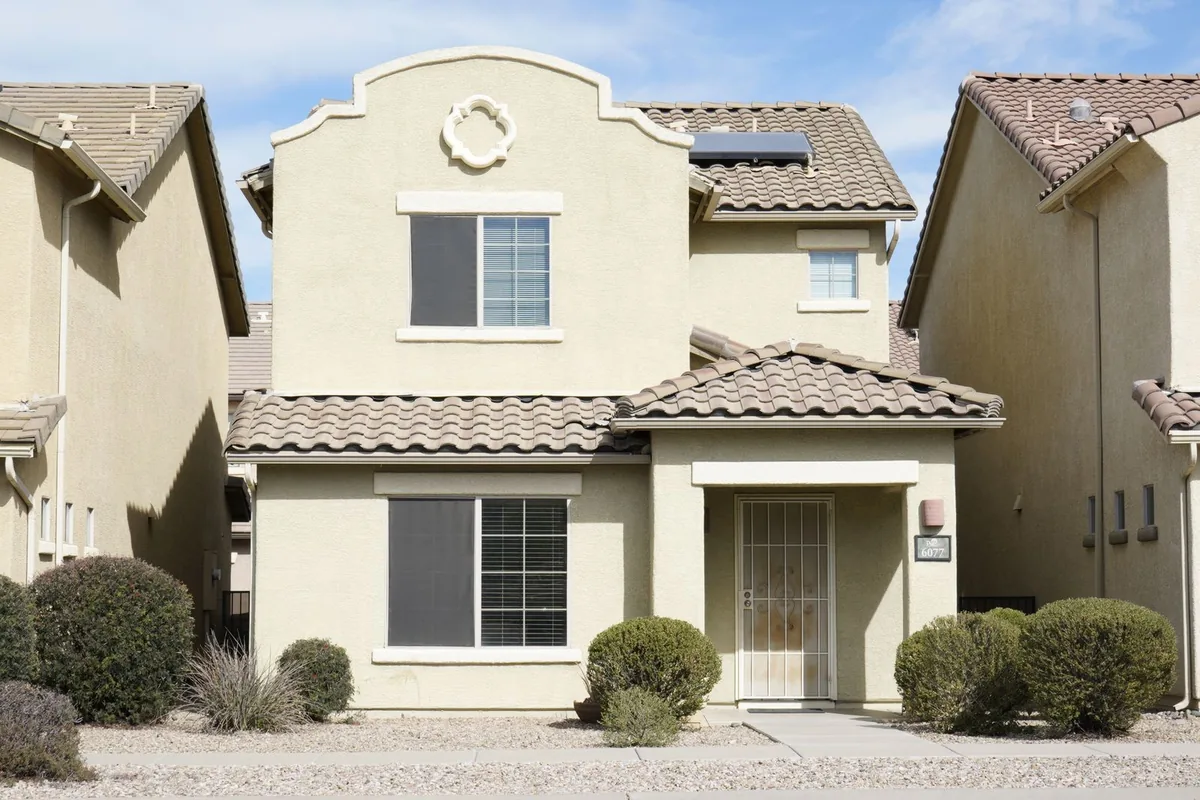
Rooftop solar is common across Buckeye, and the roof type changes how panels are mounted and what happens when the roof needs work.
| Roof | How panels mount | At re-roof time |
|---|---|---|
| Tile | Mounts pass through the tile layer to the deck, with flashed hooks | Panels off, tile lifted, felt replaced, mounts reflashed, panels back on |
| Shingle | Mounts fasten through shingles with flashing | Panels off and back on |
| Spray foam / flat | Ballasted racks or flashed mounts | Recoat around, or remove for major work |
| Standing seam metal | Clamps on the seams, often without penetrations | Least disruption |
See solar panel removal and reinstall.
Most Buckeye homes have more than one roof
A pitched tile main roof is often joined by a low-slope patio cover, a flat section over a room addition, or a metal-roofed shed or garage on larger lots. Each needs the right material for its pitch: tile does not work on a flat roof, and foam or membrane does. When you get a quote, check that every section is listed with its own material and price.
A quick way to decide
- Pitched roof in an HOA community, tile in good shape: re-felt with a better underlayment
- Pitched roof, tight budget, no HOA restriction: architectural shingle, ventilated properly
- Flat or low-slope roof: spray foam with a reflective coating, or TPO
- Long-term home, outbuildings or a modern design: metal, where the HOA allows it
- Any roof with solar: plan the panel removal and reinstall into the job
Ventilation and underlayment matter as much as the roof
Whatever covering you choose, two hidden layers decide much of its life in Arizona. The underlayment is the waterproofing under tile and the backup under shingle and metal, and a premium product lasts far longer than basic felt. Attic ventilation lets heat escape from under the roof deck, which matters for every roof type and especially for shingle.
Sources for this guide
- A 2026 Arizona roofing price guide, for installed costs per square foot by roof type
- A Phoenix roofer's published Arizona underlayment table
- A Phoenix roofer's foam roof maintenance guide
- An Arizona roofing guide on material lifespans in Arizona's climate
Roofing terms in this guide
| Term | Meaning |
|---|---|
| Underlayment | The waterproof layer under tile, shingle or metal |
| SPF | Spray polyurethane foam, sprayed on and coated |
| TPO | A single-ply membrane, mainly on flat and commercial roofs |
| Standing seam | Metal panels joined by raised seams with hidden fasteners |
| Architectural shingle | A thicker, layered asphalt shingle |
How to choose a roof type in Arizona
- Start from the roof's shape. Pitched roofs suit tile, shingle or metal; flat and low-slope roofs suit foam or membrane.
- Check HOA rules. Most Buckeye master-planned communities control roof material and color.
- Compare lifetime cost. Weigh up-front cost against Arizona lifespan and maintenance.
- Choose the underlayment or coating. On tile, the underlayment decides the roof's real life; on foam, the coating schedule does.
- Get written quotes on the same spec. Compare like for like from licensed roofers.