Why a roof inspection matters in Buckeye
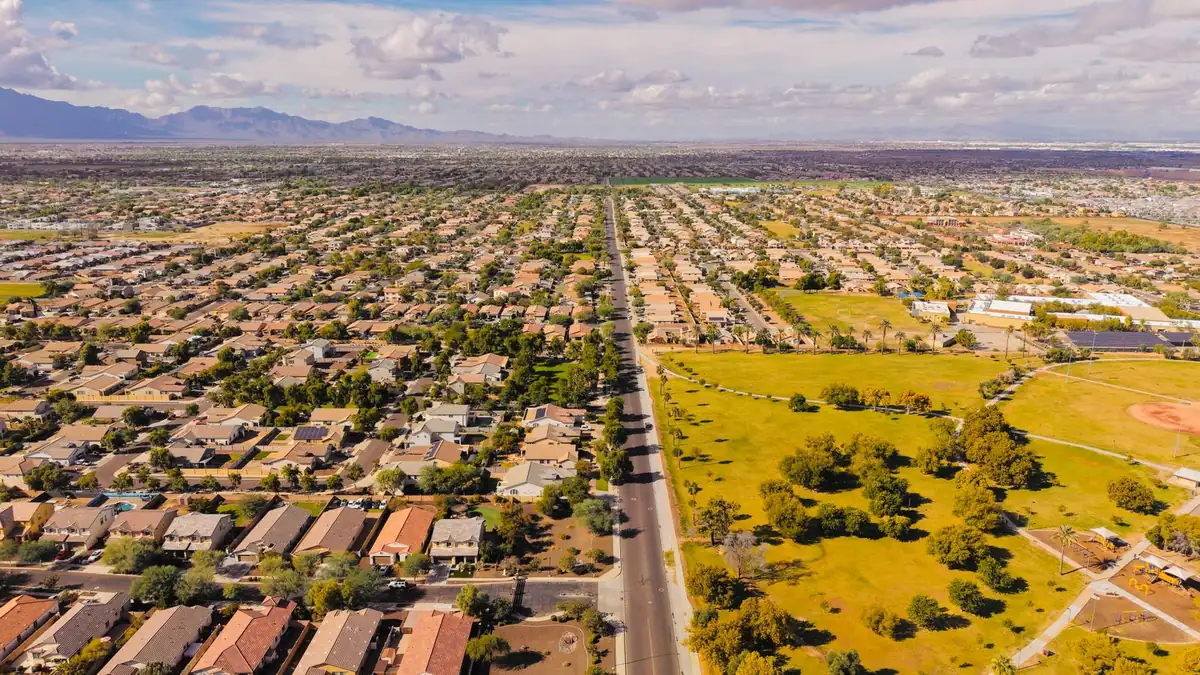
A roof inspection in Buckeye, AZ matters more than in most places because the most common roof in the city hides its condition. A concrete tile roof looks the same from the street at five years old and at twenty-five. The felt underneath, the actual waterproofing, ages on its own schedule: a Phoenix roofer's published Arizona table puts single-layer 30-pound felt at 15 to 20 years.
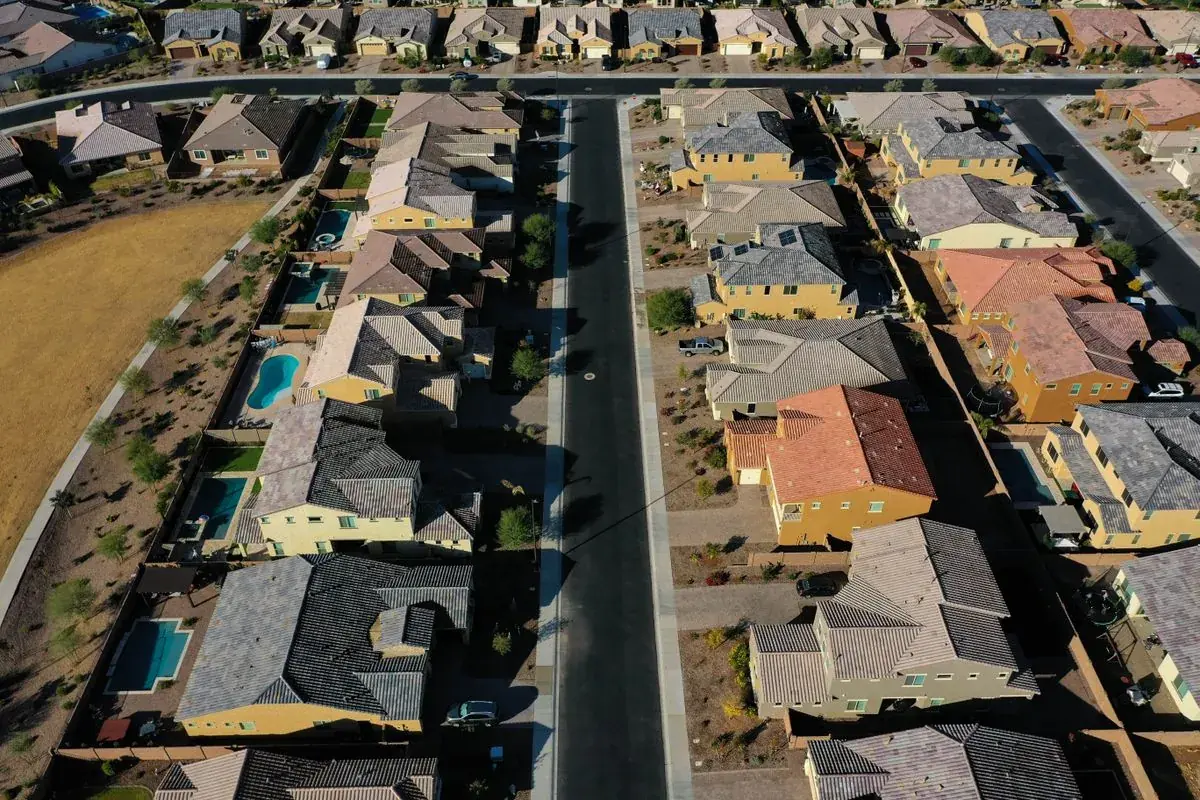
Buckeye's housing makes that a live question for thousands of homes. The big master-planned communities started building in the early 2000s, Sundance from 2002, Verrado from 2004, Tartesso in the 2005 boom and Sun City Festival from 2006, so many original tile roofs are now right in the felt's failure window.
An inspection that lifts tile answers the question for a fraction of the cost of guessing wrong in either direction: replacing felt that had years left, or missing felt that will leak in the first monsoon.
When to book a roof inspection
| Situation | What the inspection answers |
|---|---|
| Buying a home | How long before the roof needs money, and how much |
| Selling a home | Whether to repair before listing, and documentation for buyers |
| Before the monsoon | What is loose or worn and should be fixed before June 15 |
| After a storm | What the storm damaged, documented for a claim |
| A leak | Where water is entering and whether it is one defect or the whole felt |
| Before solar | Whether the roof should be re-felted before panels go on top of it |
| Foam roof recoat timing | Whether the coating needs renewing yet |
What gets checked, by roof type
Tile roofs
- Felt condition under lifted tiles on several slopes, always including south and west faces
- Cracked, slipped and missing tile, and tile fastening at ridges, hips and eaves
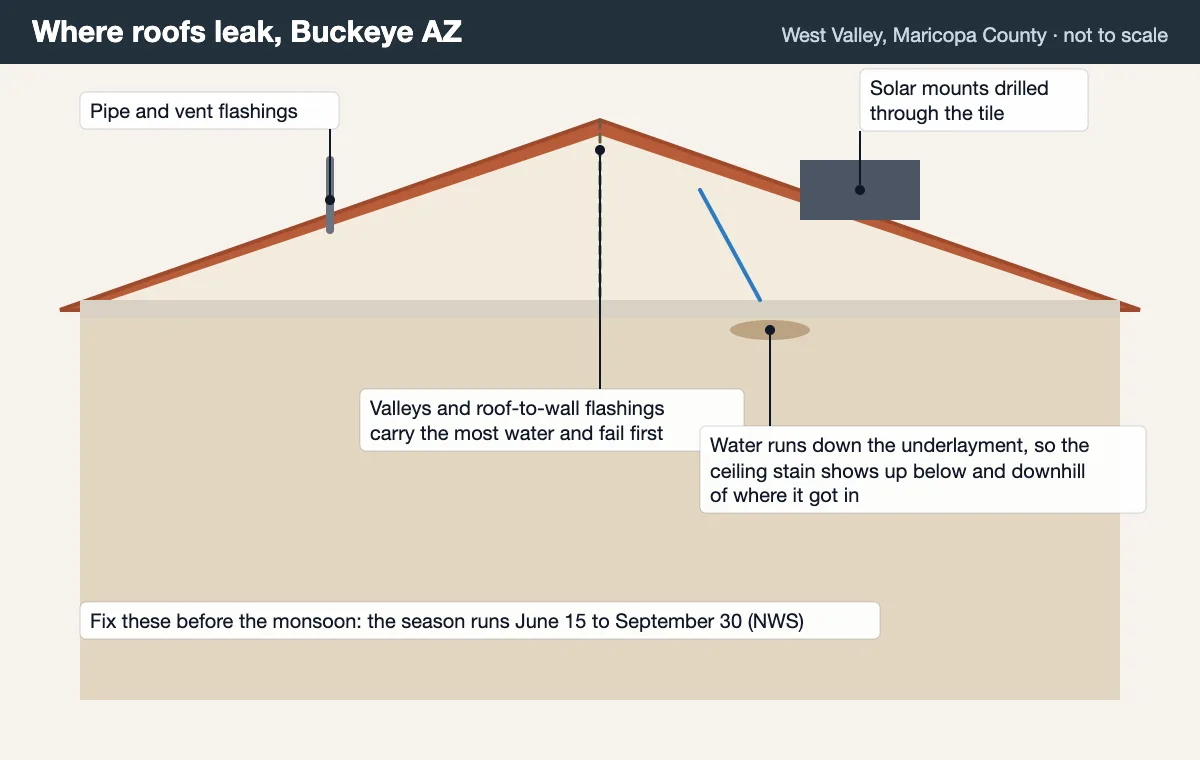
- Valley metal, wall flashing, chimney and skylight flashing
- Pipe and vent flashings, and any solar or equipment mounts
- Debris in valleys and at wall junctions
Foam and flat roofs
- Coating condition: chalking, cracking, wear-through to foam
- Blisters, bird damage, punctures and soft spots
- Flashings at walls, curbs and the joint with any pitched roof
- Drains, scuppers and areas where water ponds
Shingle and metal roofs
- Shingle: granule loss, curling, cracking, lifted or missing tabs, nail pops
- Metal: fasteners and washers, rust at laps and edges, trims and seams
- Both: flashings, penetrations, ventilation and deck feel underfoot
Inspections when buying in Buckeye
When buying a Buckeye home built between 2002 and 2008 with its original tile roof, a roofer inspection that looks under the tile is one of the best-value checks you can make. A general home inspection is valuable, but it is a broad overview, and roofs are often assessed without lifting tile.
If the felt is near the end of its life, published Phoenix-area figures put an underlayment replacement at $7,000 to $10,000 on a 2,000 square foot roof. Knowing that before you close lets you plan or negotiate for it. See the underlayment cost guide.
What the report should give you
- The roof type, approximate age if known, and areas inspected
- Photographs of every defect and of the felt where tiles were lifted
- A plain-language condition summary
- Honest options: repair, maintenance, underlayment replacement, recoat or replacement, with priorities
- Anything that should be fixed before the next monsoon
- The roofer's name and ROC license number
See roof maintenance, how long roofs last in Arizona, the service area, or book an inspection.
Drone photos versus getting on the roof
Drone and ground photographs are useful for seeing a whole roof, measuring it, and spotting slipped tile or missing shingle. They cannot show the felt under a tile, the softness of wet foam underfoot, or a flashing that has pulled away beneath a tile edge. On a Buckeye tile roof, where the felt is the question, an inspection that never lifts a tile cannot answer it.
The best inspections use both: photographs for the overview and the report, and hands on the roof for the layer that decides its life.
Inspections when selling
For a seller, a roof inspection before listing removes a surprise from the buyer's inspection. If the felt is near its end, you can choose to re-felt, to price it in, or to disclose it with a quote attached. On a 2000s Buckeye home, buyers and their inspectors increasingly ask about the underlayment.
Commercial inspections
Commercial roof inspections, by C-42 or CR-42 licensed roofers, cover seams, perimeter and parapet flashings, rooftop units and curbs, drains and scuppers, skylights, and moisture in the assembly. Twice-yearly inspections, in spring and autumn, are common practice. See commercial roof repair.
Inspections and HOA requirements
In Buckeye's master-planned communities, an inspection is also the first step in any roof work that needs association approval. A written report with photographs supports an architectural submittal for a re-felt, a tile change or a re-roof, and documents the roof's condition if a dispute ever arises about storm damage or workmanship.
Communities such as Verrado, run by the Verrado Community Association, and Sun City Festival have architectural standards that cover roofs. See the pages for Verrado and Sun City Festival.
How a roof inspection is done
- Ground and perimeter check. The roofer looks at the roof from the ground and around the house: fascia, gutters, downspouts, visible damage and any staining on walls below the roof edge.
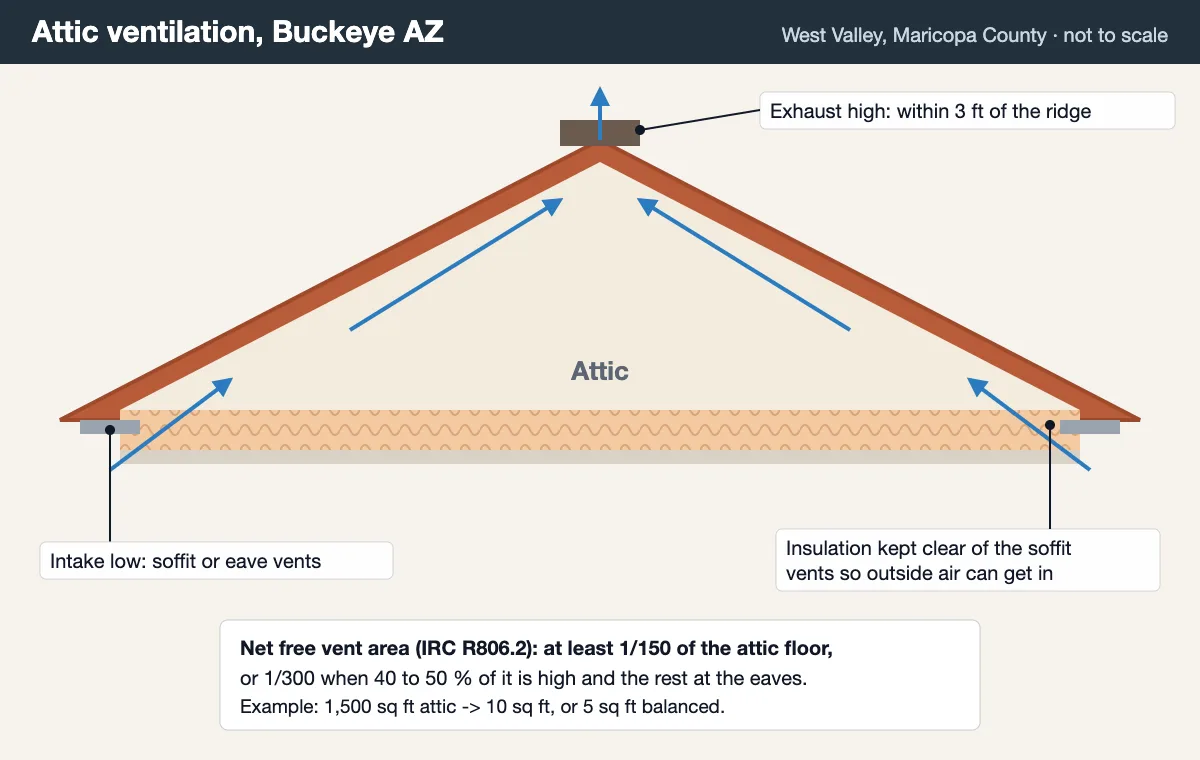
- Attic inspection. Where the attic is accessible and safe, the roofer looks for staining, wet insulation, daylight, and the ventilation that affects roof life.
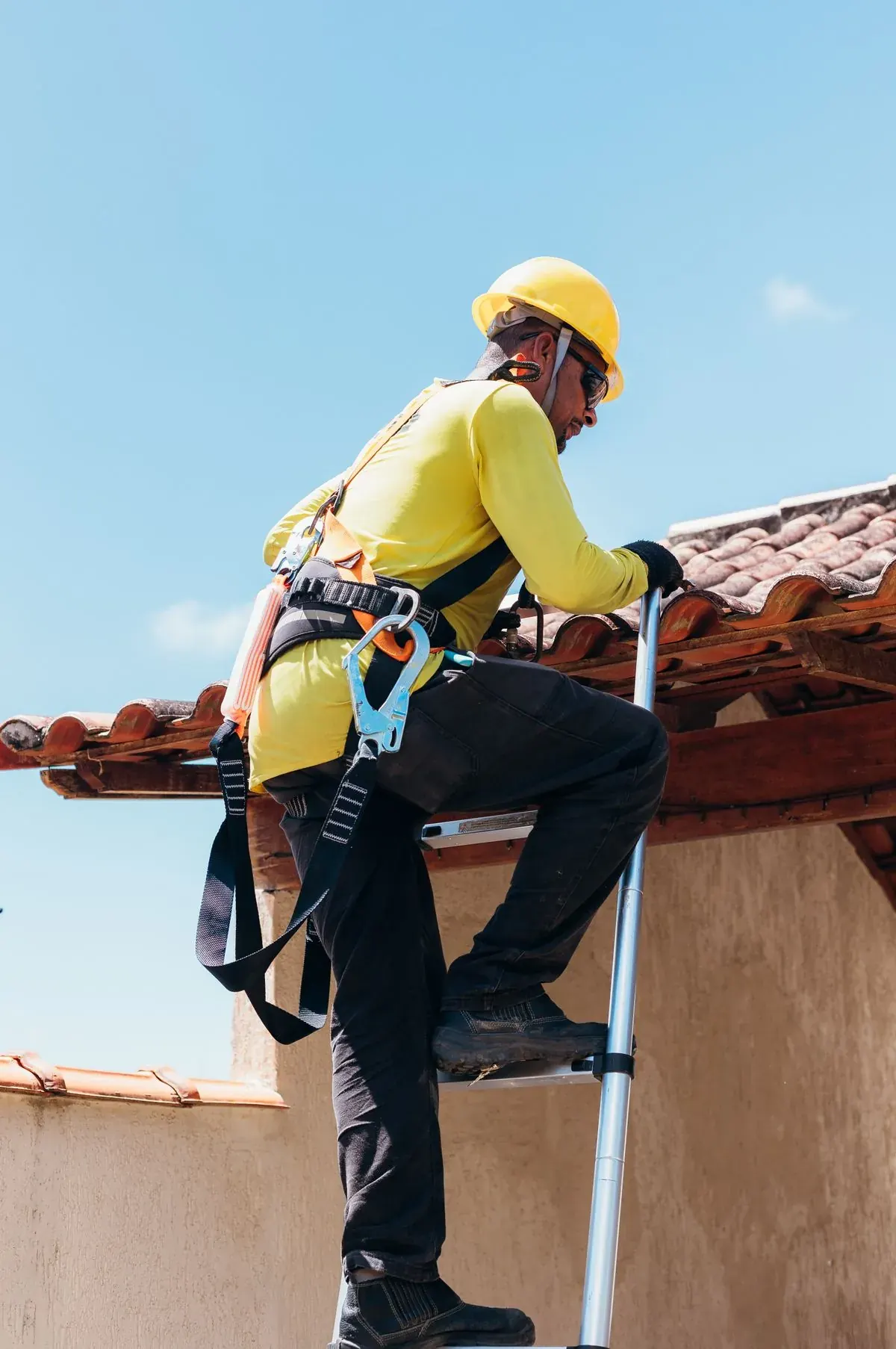
- On-roof inspection. The covering, edges, valleys, flashings, penetrations and drainage are checked; on tile, tiles are lifted on several slopes to see the felt.
- Photographs. Every finding is photographed, so you can see what the roofer saw.
- Written report and options. You receive a written summary of condition, any defects, and the honest options with priorities.